What Renters Insurance Covers: Answers to the Top Questions
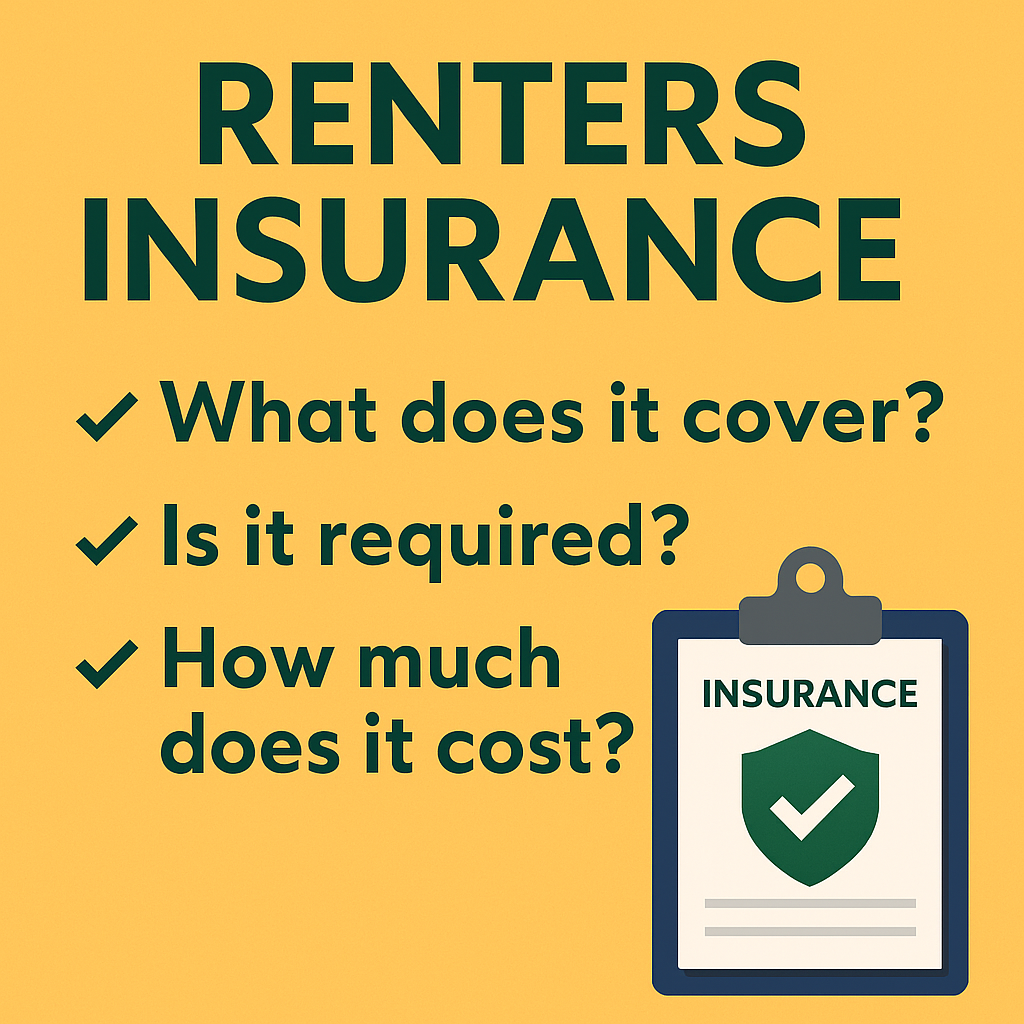
1. What Does Renters Insurance Cover?
Many tenants assume their landlord’s policy covers their stuff. It does not. A renters insurance policy typically includes three key protections:
- Personal Property Coverage: Replaces or repairs your belongings—furniture, electronics, clothes—after events like theft, fire or wind damage.
- Liability Protection: If a guest is injured in your rental (or you accidentally damage the neighbor’s property), your policy may defend and pay settlements.
- Additional Living Expenses (ALE): If your rental becomes unlivable due to a covered claim, your policy may help pay hotel bills, meals or other temporary lodging costs.
2. How Much Should I Buy and What Kind of Value Basis?
You’ll need to answer: How much is my stuff worth? And do I want replacement cost or actual cash value? Replacement cost pays to replace your items with new equivalents; actual cash value factors in depreciation.
To estimate: walk through your place, list major items (TV, laptop, furniture), and note approximate values. This helps you choose appropriate coverage limits.
3. What Events Aren’t Covered?
Just as important as what’s included is what’s excluded. Most standard renters’ policies do not cover:
- Floods or earthquake damage (unless added via endorsement)
- Wear and tear, maintenance issues, or long‑term neglect
- Often, roommate’s belongings (unless specified)
4. How Much Does It Cost?
Renters insurance is surprisingly affordable—often less than $200/year depending on your state, property, and belongings. Key cost drivers include: value of your possessions, location (crime or disaster risk), and deductible size.
It’s one of the best value‑for‑money protections for renters.
5. Why It’s Worth It
Imagine a fire destroys your rented unit and you lose most of your belongings—without insurance, you’re on your own. Or a guest is injured inside your rental and you face medical bills or lawsuits. These aren’t “maybe” risks—they’re real possibilities. A renters insurance policy can cushion these blows and give you peace of mind.
Renters insurance isn’t just “nice to have”—it’s a smart move for anyone renting. Understanding what is and isn’t covered, setting the right coverage limits, and keeping your policy up to date will help you avoid hidden exposure.
If you’d like to review your current policy, compare value, or check exclusions and endorsements, contact us at Fortis RIsk Group. We’re happy to walk through the questions, clarify your protection gaps, and help you ensure you’re fully covered.
Latest insights and trends





Let’s Build Your Protection Strategy