Do I Need Business Interruption Insurance?
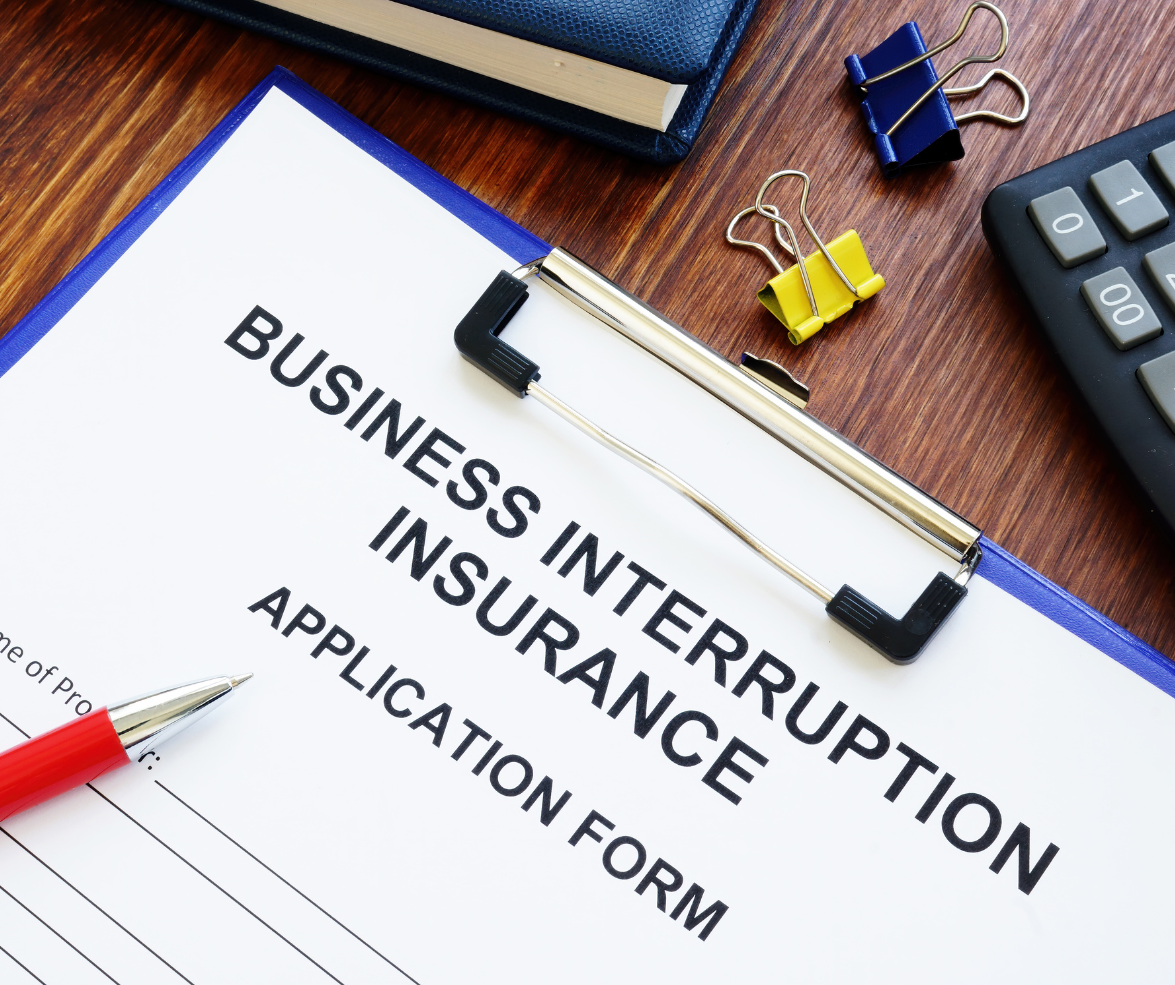
Do I Need Business Interruption Insurance?
Could Your Business Survive 90 Days Without Revenue?
Imagine walking into your business tomorrow morning and finding that a fire, severe storm, burst pipe, or another unexpected event has forced you to close your doors. The damage can be repaired, but what happens while your business isn't generating income?
For many business owners, the biggest financial loss isn't repairing the building it's surviving the weeks or months without revenue.
That's where business interruption insurance becomes one of the most valuable, yet often overlooked, forms of commercial insurance.
Property Damage Is Only Part of the Problem
When most business owners think about insurance, they think about replacing damaged buildings, equipment, or inventory. While property insurance is designed to help repair or replace physical assets, it doesn't automatically replace the income your business loses while operations are suspended.
Consider this scenario:
A fire damages your office or storefront. Your property insurance helps pay for repairs, but the restoration takes three months. During that time, your customers can't visit your business, employees still expect paychecks, rent or mortgage payments continue, utilities still arrive, and other fixed expenses don't stop simply because your business is temporarily closed.
Without a plan to replace lost income, many businesses struggle to recover even after the building has been repaired.
What Does Business Interruption Insurance Cover?
Business interruption insurance is designed to help businesses maintain financial stability after a covered loss forces them to suspend normal operations.
Depending on your policy, coverage may help with:
- Lost business income during the closure
- Employee payroll
- Rent or mortgage payments
- Utility expenses
- Loan payments
- Certain ongoing operating expenses
- Temporary relocation costs if you need to operate from another location
The goal is to help your business continue meeting its financial obligations while you focus on getting back to serving your customers.
Could Your Business Survive 90 Days?
Ask yourself a few simple questions:
- Could you continue paying employees if revenue stopped tomorrow?
- Do you have enough cash reserves to cover three months of operating expenses?
- Would your customers return if you had to close temporarily?
- How long would it realistically take to repair or rebuild your location?
For many small businesses, even a few weeks without income creates significant financial pressure. A longer closure can threaten the future of the business entirely.
Business interruption insurance is designed to help bridge that gap.
Every Business Has Different Risks
No two businesses face the same challenges.
A restaurant, contractor, medical office, manufacturer, retail store, church, or nonprofit each has unique operational risks and recovery timelines. The amount of business interruption coverage needed depends on factors such as revenue, payroll, fixed expenses, seasonal fluctuations, and the time it would take to fully resume operations.
That's why business continuity planning should never rely on assumptions or generic insurance packages.
A comprehensive review helps ensure your coverage reflects the way your business actually operates.
Business Continuity Starts Before Disaster Strikes
The best time to think about business interruption insurance isn't after a fire, storm, or major equipment failure—it's before one happens.
Business continuity planning is about more than recovering from physical damage. It's about protecting your employees, your customers, your reputation, and the business you've worked so hard to build.
Taking a proactive approach today can help reduce financial disruption tomorrow.
Ready to Review Your Business Continuity Plan?
If you've never reviewed your business interruption coverage or if your business has grown or changed in the past few years, now is the perfect time.
Contact one of the Risk Advisors at Fortis Risk Group for a comprehensive policy review. We'll help you evaluate your business continuity plan, identify potential coverage gaps, and ensure your insurance is prepared to protect your business when it matters most.
Latest insights and trends



Let’s Build Your Protection Strategy