Before Summer Jobs Start: Is Your Contractor Insurance Ready?

Summer is go-time for contractors. Roofing crews are booked out, landscapers are overloaded, remodels ramp up, and new construction projects move quickly to beat deadlines. But while contractors spend time preparing crews, equipment, and schedules, insurance is often the last thing reviewed—until something goes wrong.
The truth is, summer brings increased opportunity and increased risk.
Longer workdays, more subcontractors, severe weather, higher project volume, and more equipment moving between jobsites all create exposures that can quickly become expensive if coverage hasn’t kept pace with the business.
Whether you’re a general contractor, roofer, HVAC company, electrician, landscaper, or specialty trade, now is the time to ask: Is your insurance actually built for the work you’re doing this summer?
Why Summer Is a Higher-Risk Season for Contractors
Warmer weather means more jobs—but it also means more moving parts.
During peak season, contractors often:
- Hire seasonal labor or subcontractors
- Take on larger or faster-paced projects
- Transport more equipment between jobsites
- Work longer hours in heat-related conditions
- Face sudden storm interruptions or property damage claims
As operations expand, risk exposure grows alongside revenue.
One overlooked coverage gap can turn a profitable season into a financial setback.
The Biggest Insurance Mistakes Contractors Make in Summer
One of the most common issues is assuming last year’s coverage still fits this year’s business.
Has your payroll increased? Added vehicles? Purchased equipment? Expanded services? Taken on larger commercial jobs?
If so, your insurance may need to change too.
Here are a few areas contractors should review before peak season:
General Liability Coverage
General liability helps protect against third-party bodily injury and property damage claims. But limits matter—especially when project size increases.
Workers’ Compensation
Summer crews often mean temporary workers, seasonal labor, or subcontractor questions. Classification mistakes or uninsured workers can create serious exposure.
Commercial Auto
Are all vehicles and drivers properly listed? Increased travel between jobsites means higher accident exposure.
Tools & Equipment Coverage
Contractors rely on expensive tools to stay operational. Theft from jobsites, damaged equipment, or trailer losses are more common than many realize.
Builder’s Risk or Installation Coverage
Large renovation or construction jobs may require additional protection for materials, partially completed work, and project-specific risks.
Weather Risks Are Bigger Than Many Contractors Realize
Summer storms don’t just delay work—they create liability.
Heavy rain, wind, lightning, and heat can damage materials, delay timelines, or create unsafe working conditions. Improperly secured materials or unfinished work can also lead to property damage claims.
This is where proactive risk mitigation matters.
Having documented safety procedures, subcontractor agreements, weather protocols, and the right insurance structure can reduce both risk and costly interruptions.
Why a Local Independent Agent Matters
Contractor insurance isn’t one-size-fits-all.
A local independent agent or personal risk manager can help evaluate whether your policies reflect your actual operations, project size, and seasonal growth—not just what your business looked like a year ago.
The goal isn’t simply checking a compliance box. It’s protecting the business you’re building.
Don’t Let a Coverage Gap Slow Down Your Summer
Summer is your busiest season. Make sure your insurance can keep up.
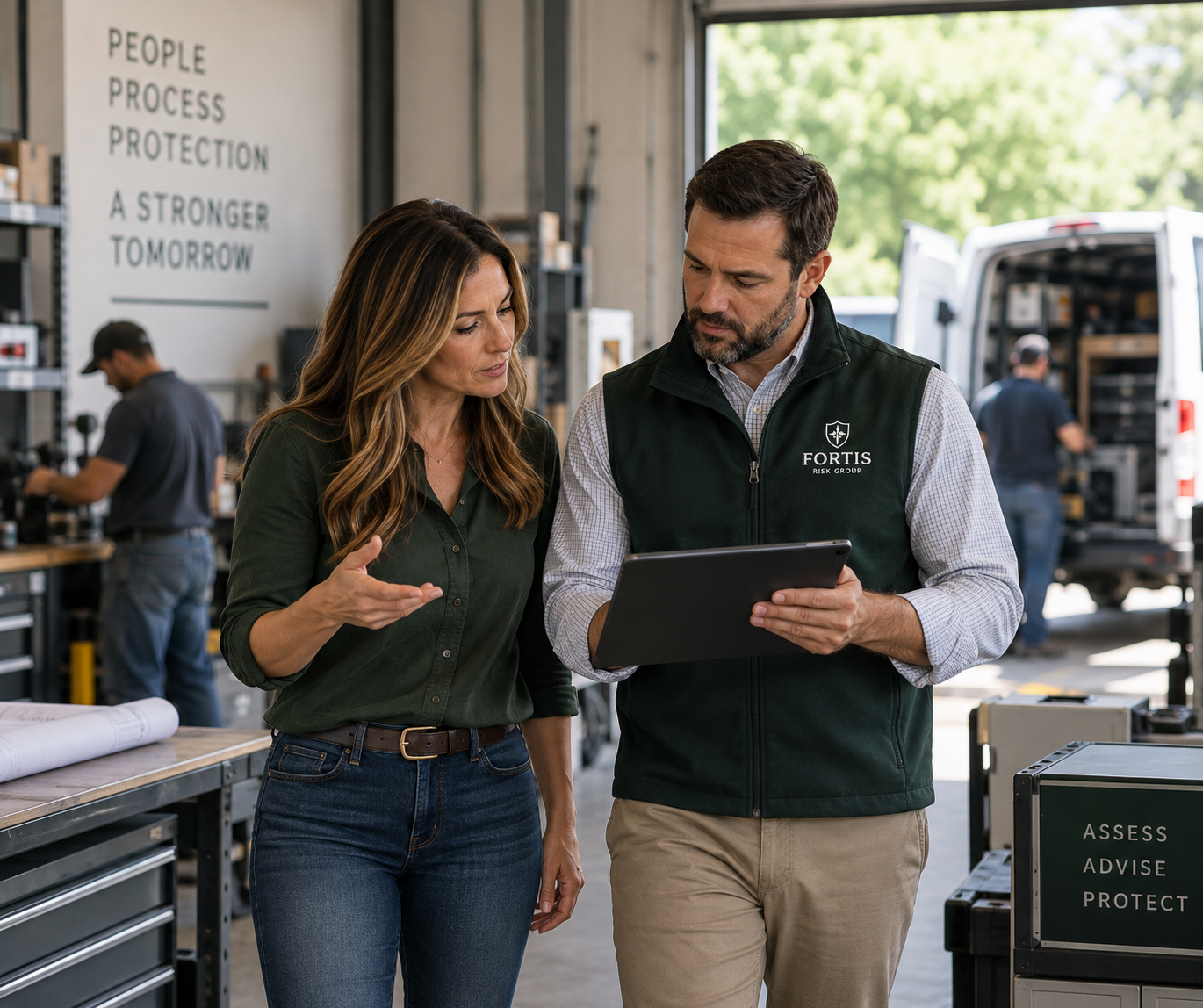
Before projects ramp up, request a contractor insurance review with one of our Fortis Risk Agents to ensure your business, crew, and equipment are protected for the season ahead.
Latest insights and trends




Let’s Build Your Protection Strategy