Contractor Risk Assessment: Is Your Insurance Keeping Up With Your Growth?
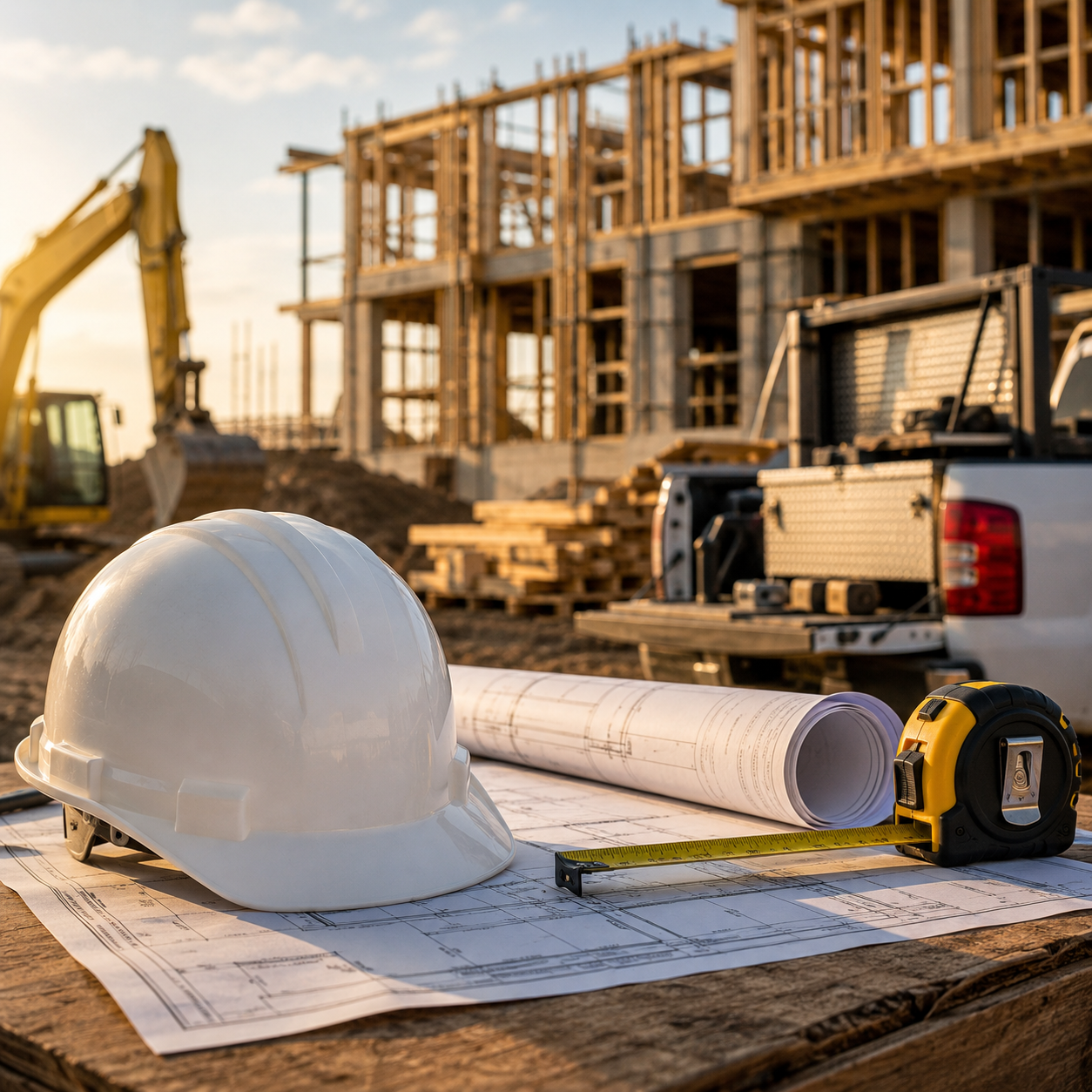
For many contractors, summer is the busiest and most profitable time of the year. More projects, more employees, larger contracts, and new opportunities can all signal that your business is growing. While growth is exciting, it also brings increased risk, and that's where many contractors unknowingly expose themselves to financial loss.
One of the most common mistakes contractors make is assuming that the insurance coverage they purchased years ago still fits the business they operate today. The reality is that as your company evolves, your risk profile changes as well. If your insurance hasn't been reviewed recently, there is a good chance it may no longer align with your operations.
A contractor risk assessment can help identify potential gaps before they become costly claims.
Growth Creates New Risks
Growth is often measured by revenue, but insurance carriers look deeper than that. Factors such as payroll, equipment values, subcontractor relationships, and project size all play a significant role in determining whether your coverage is adequate.
When these areas change, your insurance should change too.
Unfortunately, many contractors only discover a coverage issue after a claim occurs. By then, it may be too late to make adjustments.
Has Your Payroll Increased?
One of the first indicators of growth is an increase in payroll. Whether you've hired additional employees, expanded crews, or added administrative staff, payroll directly impacts workers' compensation exposure.
If payroll estimates are inaccurate, contractors can face unexpected audit adjustments at the end of the policy period. In some cases, businesses may find themselves owing significantly more than anticipated.
Beyond compliance concerns, additional employees also increase the likelihood of workplace injuries, making proper workers' compensation coverage essential.
Regularly reviewing payroll estimates helps ensure your policy accurately reflects your workforce and reduces surprises during audits.
Are Your Tools and Equipment Properly Insured?
Contractors rely heavily on equipment to generate revenue. From skid steers and excavators to trailers, specialty tools, and technology, replacing damaged or stolen equipment can be expensive.
As businesses grow, many contractors purchase new equipment without updating their insurance schedules. This creates a dangerous gap between actual asset values and insured values.
Imagine investing in a new piece of equipment only to discover after a theft or fire that it wasn't properly listed on your policy.
A contractor risk assessment should include a review of equipment inventories, replacement costs, and inland marine coverage to ensure assets remain protected.
What About Your Subcontractors?
Subcontractors are often essential for managing growth, but they can also introduce significant liability exposure.
Do all subcontractors carry their own insurance?
Are certificates of insurance being collected and reviewed?
Are contracts clearly outlining responsibilities?
Without proper documentation, a claim involving a subcontractor could potentially impact your insurance program and increase future costs.
Contractors should regularly evaluate subcontractor management practices as part of their overall risk management strategy.
Have Your Projects Become Larger or More Complex?
Many contractors start with smaller residential projects before expanding into larger commercial jobs or specialty work. As project size increases, so does the potential financial exposure.
Higher contract values often require:
- Increased liability limits
- Additional insured endorsements
- Builder's risk coverage
- Professional liability considerations
- Enhanced contractual risk management
The coverage that protected a small operation may not be sufficient for larger, more complex projects.
Proactive Risk Mitigation Matters
Insurance should do more than satisfy contract requirements. It should support the long-term success of your business.
Conducting regular risk assessments allows contractors to identify vulnerabilities before claims occur. This proactive approach helps protect revenue, employees, equipment, and reputation while positioning the business for sustainable growth.
The most successful contractors don't wait until renewal time to evaluate their risk. They review coverage whenever their operations change.
Is Your Insurance Keeping Up?
If your payroll has increased, you've purchased new equipment, hired subcontractors, or taken on larger projects, now is the time to review your coverage.
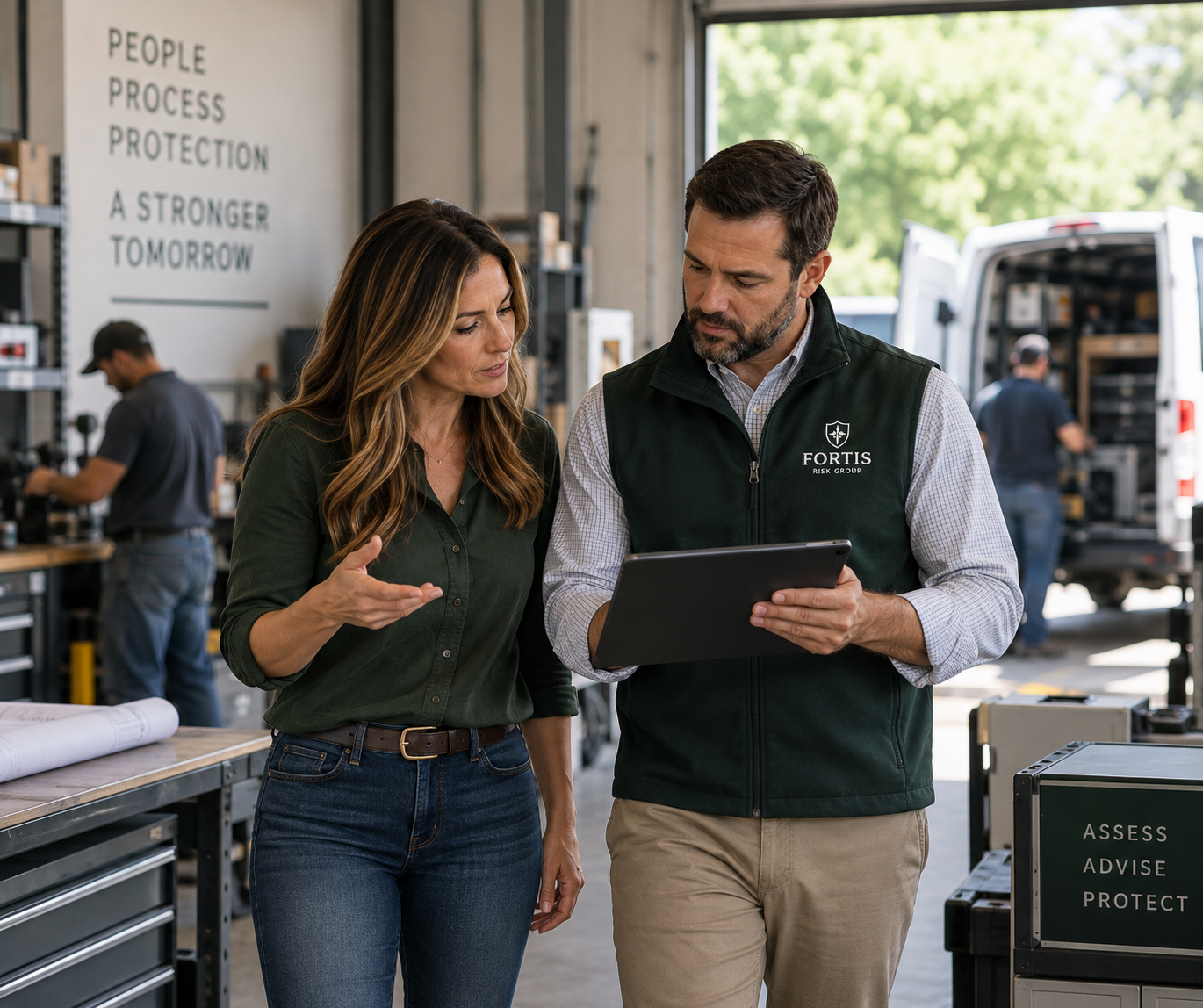
At Fortis Risk Group, our Risk Advisors work with contractors to identify exposures, uncover coverage gaps, and build insurance strategies that grow alongside their businesses.
Ready for a Contractor Risk Assessment?
Don't assume your current policy is keeping pace with your growth. Contact one of our Risk Advisors today for a comprehensive policy review and discover whether your insurance program is truly protecting your business.
Latest insights and trends




Let’s Build Your Protection Strategy