Why Understanding the Difference Could Save Your Business
Replacement Cost vs. Market Value: Why Understanding the Difference Could Save Your Business
If you own a commercial building, one of the most important numbers in your insurance policy may also be one of the most misunderstood: your property's value.
Many business owners assume that because they know what their building is worth on the real estate market, they also know how much insurance they need. Unfortunately, that's often not the case.
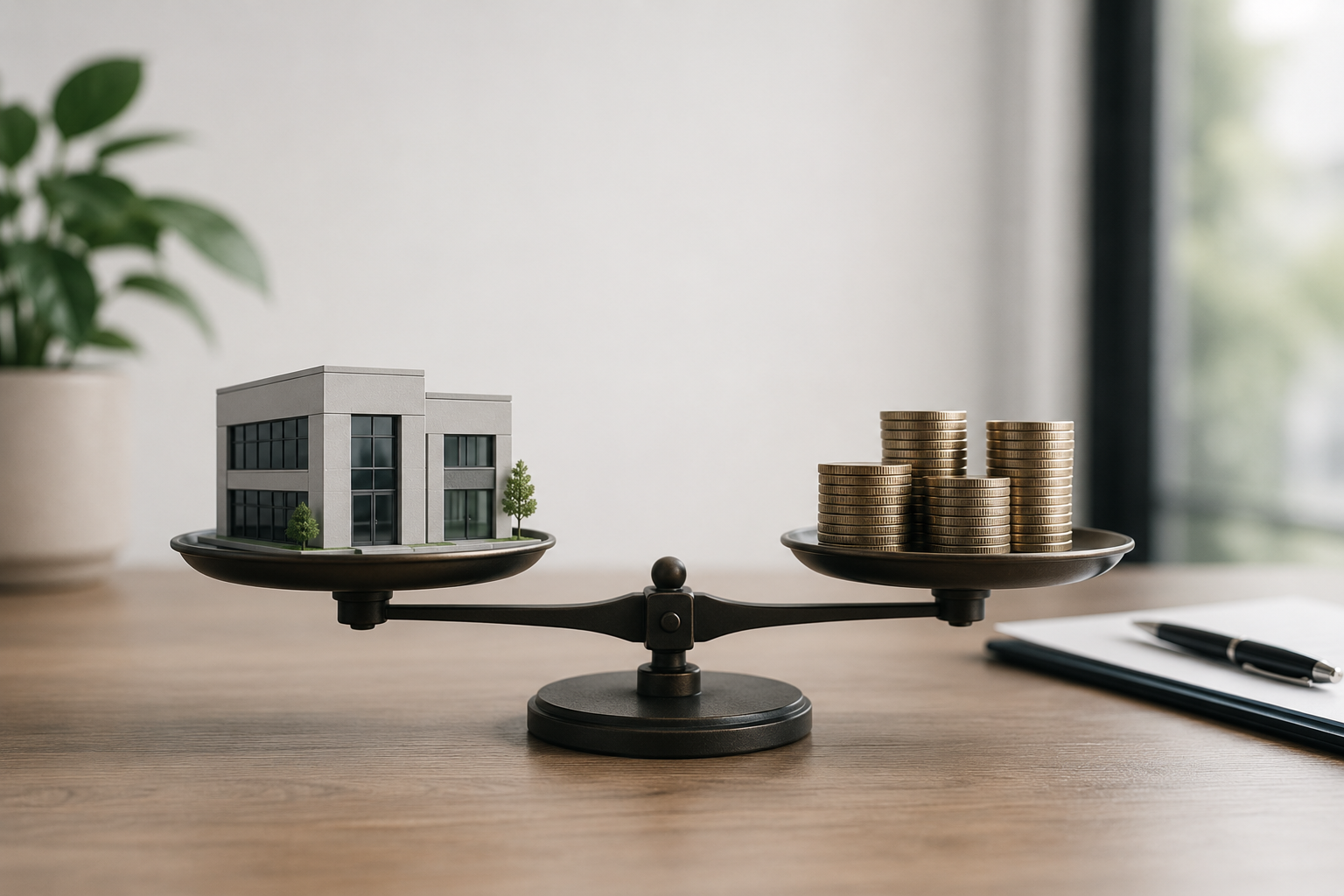
When it comes to commercial property insurance, market value and replacement cost are two very different things—and confusing the two could leave your business significantly underinsured after a major loss.
As construction costs continue to fluctuate and inflation affects nearly every industry, understanding this difference has never been more important.
Market Value and Replacement Cost Are Not the Same
Market value is what someone would likely pay for your property if you sold it today. It reflects factors such as location, land value, local demand, nearby development, and current real estate conditions.
Replacement cost, however, answers a completely different question:
How much would it cost to rebuild your building with similar materials and workmanship after a covered loss?
Insurance companies focus on replacement cost because after a fire, tornado, or other covered event, they aren't purchasing your property—they're helping pay to rebuild it.
That cost often has very little to do with what the building could sell for on the open market.
Why Replacement Costs Have Increased
Over the past several years, businesses across nearly every industry have experienced rising costs.
Construction has been no exception.
Today's rebuilding expenses are being influenced by:
- Higher material costs
- Increased labor expenses
- Supply chain delays
- Equipment shortages
- Building code updates
- Inflation across the construction industry
A commercial building that cost $750,000 to rebuild just a few years ago may require substantially more today.
If your insurance limits haven't kept pace with those changes, you may not have enough coverage when you need it most.
Underinsurance Can Be Expensive
Imagine a severe storm damages your office, warehouse, retail location, or manufacturing facility.
You expect your insurance to rebuild everything, but during the claims process you discover your property is insured well below its current replacement cost.
The result could include:
- Larger out-of-pocket expenses
- Delays in rebuilding
- Coinsurance penalties (if applicable)
- Reduced claim payments
- Financial strain on your business
Many business owners don't realize they're underinsured until they're already recovering from a disaster.
That's a situation no business wants to face.
Don't Forget About Equipment and Business Personal Property
Your building isn't the only asset affected by inflation.
Equipment, inventory, furniture, technology, machinery, tools, and specialized business property have also become more expensive to replace.
Ask yourself:
- Have you purchased new equipment in the last few years?
- Has the value of your inventory increased?
- Have you invested in upgraded technology?
- Would replacement costs be higher today than when your policy was written?
If the answer is yes, your coverage may need updating.
A comprehensive insurance review should evaluate your business personal property along with your building value.
Regular Valuations Protect Your Investment
Many businesses purchase insurance when they first open their doors and then simply renew the same limits year after year.
But businesses evolve.
Buildings are renovated. Equipment is upgraded. Inventory grows. Construction costs change.
That's why regular property valuations are an important part of proactive risk management.
A periodic review helps ensure your insurance reflects today's rebuilding costs—not yesterday's estimates.
Why Working With a Risk Advisor Matters
Determining the correct replacement value isn't something most business owners should have to do alone.
At Fortis Risk Group, our Risk Advisors work closely with business owners to evaluate property values, identify potential coverage gaps, and develop insurance strategies based on current replacement costs—not assumptions.
As a local independent agency, we take the time to understand your business, your operations, and your long-term goals.
Rather than simply renewing a policy, we help ensure your coverage evolves alongside your business.
Protect Your Business Before a Claim Happens
No business owner wants to discover after a fire, storm, or other disaster that their property wasn't insured for what it would actually cost to rebuild.
Understanding the difference between market value and replacement cost is one of the simplest—and most important—steps you can take to strengthen your business's financial protection.
Insurance isn't just about replacing a building. It's about protecting the future of your business.
Ready to Review Your Property Values?
If it's been several years since your commercial property was professionally reviewed, now is the time.
Contact one of our Risk Advisors at Fortis Risk Group for a comprehensive policy review. We'll help evaluate your building, equipment, and business property to ensure your coverage reflects today's replacement costs—not outdated estimates—so your business is prepared when the unexpected happens.
Latest insights and trends


Let’s Build Your Protection Strategy