Does Your VBS or Camp Have the Right Insurance Coverage?
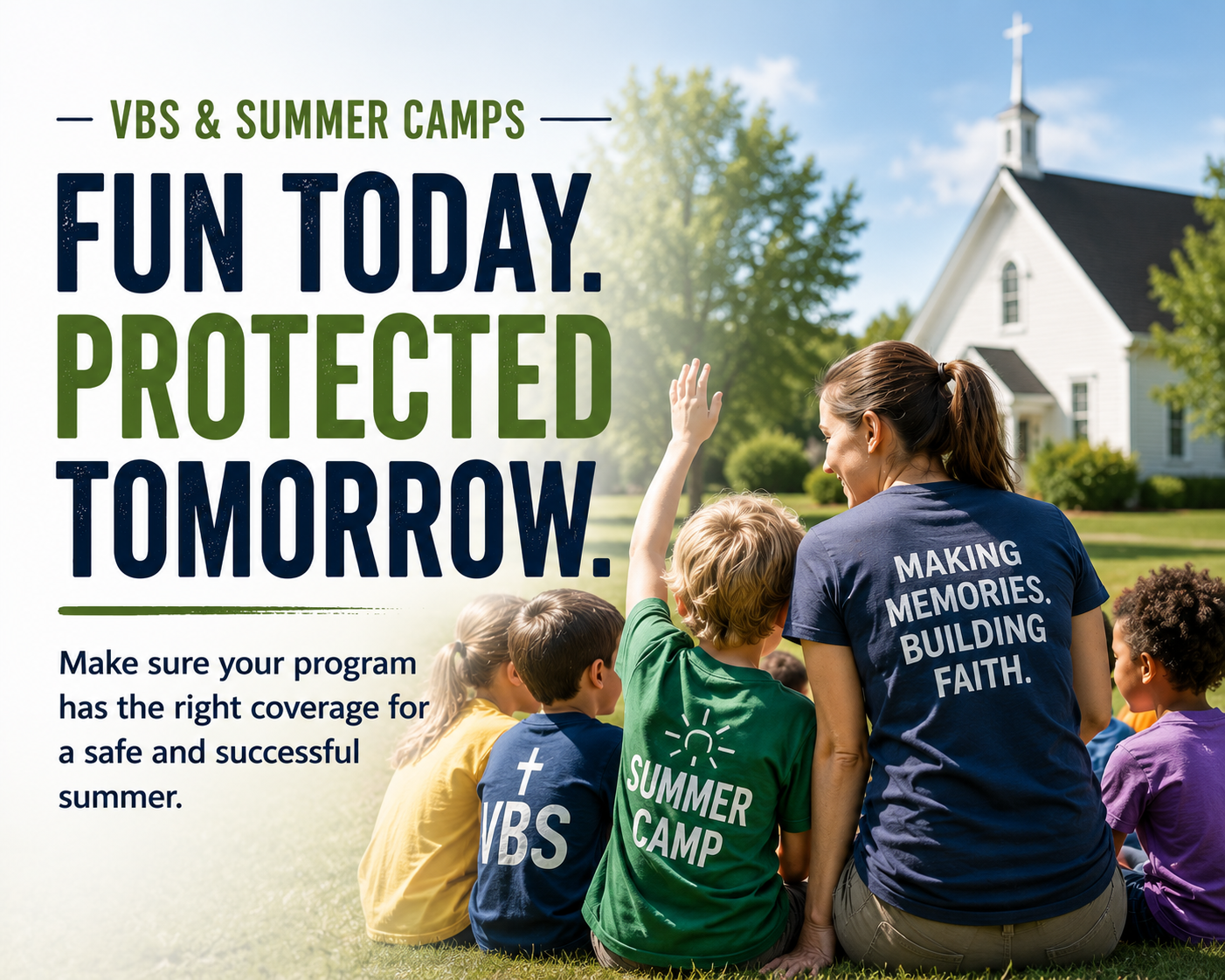
Summer is one of the busiest and most rewarding seasons for churches, nonprofits, schools, and community organizations. Vacation Bible School (VBS), youth camps, summer enrichment programs, sports camps, and day camps all create meaningful experiences for children and families. But while leaders are busy planning activities, recruiting volunteers, and organizing schedules, one important detail is often overlooked: insurance coverage.
The reality is that even the most organized, well-run summer program carries risk. A minor injury, severe weather interruption, transportation issue, or volunteer-related incident can quickly turn into a costly situation if the right protections are not in place. That’s why summer programs should take a proactive approach to risk management before campers arrive.
Why Summer Programs Carry More Risk Than You Think
Summer camps and VBS programs naturally involve increased activity, movement, and supervision challenges. Whether children are participating in outdoor games, crafts, transportation, field trips, inflatables, sports, or water activities, there are more opportunities for accidents to happen.
Even simple situations can create unexpected liability exposure. For example:
- A child trips and gets injured during outdoor recreation
- A volunteer accidentally damages church or school property
- A weather-related event forces cancellation or disruption
- Transportation incidents occur during off-site activities
- Medical emergencies require immediate attention
Many organizations assume their general liability policy automatically covers every aspect of a summer program, but that may not always be the case.
Coverage Areas Summer Programs Should Review
Before summer begins, organizations should review whether their existing insurance aligns with their current activities and exposures.
A few key areas to evaluate include:
General Liability Coverage
General liability coverage is often the foundation of protection for camps and VBS programs. This can help cover bodily injury claims, property damage, and legal costs if an accident occurs during operations. However, it’s important to verify that summer-specific activities are included under your policy.
Volunteer and Staff Protection
Many summer programs rely heavily on volunteers. Churches and organizations should confirm whether volunteer workers are covered and whether background screening procedures are documented as part of their risk mitigation process.
Abuse and Molestation Coverage
For organizations serving children, this is one of the most critical—and often misunderstood—coverages. Safeguarding procedures, supervision protocols, and adequate insurance protection should all work together to reduce exposure.
Transportation and Field Trip Liability
If campers are transported in vans, buses, or personal vehicles for field trips, there may be additional liability considerations. Vehicle ownership, hired/non-owned auto coverage, and driver screening should all be reviewed.
Weather and Property Risks
Summer storms, heat-related issues, and property damage can interrupt operations quickly. Reviewing emergency plans and property coverage limits can help programs stay prepared.
Proactive Risk Mitigation Matters
Insurance is only one piece of protecting your summer program.
The strongest organizations combine proper coverage with proactive risk mitigation, including volunteer training, documented safety procedures, emergency response plans, supervision standards, and regular communication with parents.
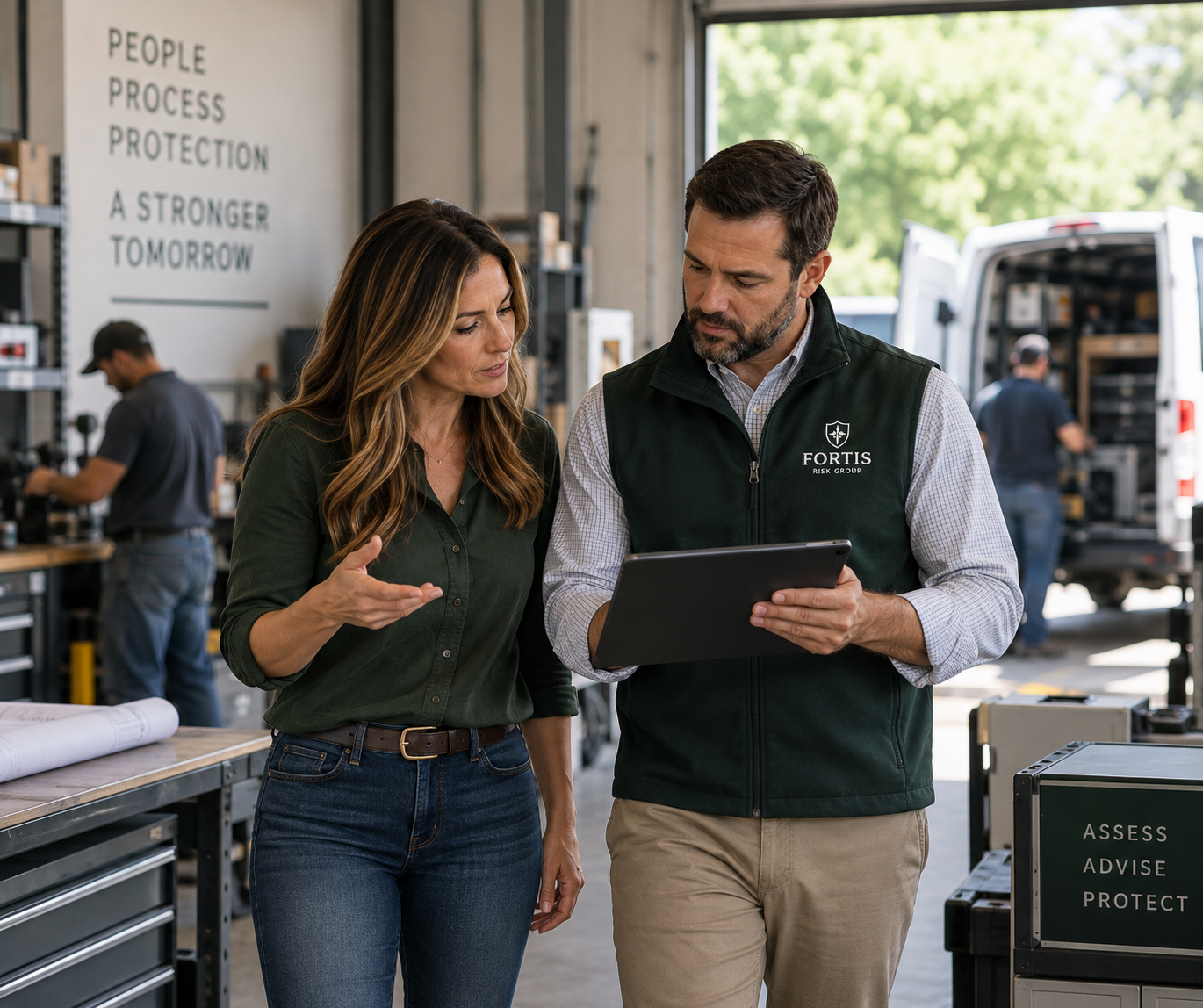
Working with a local independent agent or personal risk manager can help organizations identify overlooked exposures and ensure coverage reflects how programs actually operate—not how they operated years ago.
Don’t Wait Until an Incident Happens
Summer should be focused on creating safe, memorable experiences for children and families—not scrambling after an unexpected claim.
Before your VBS, youth camp, or summer program begins, now is the time to review your coverage and make sure your organization is protected for the season ahead.
Have questions about your camp or VBS coverage? Contact one of our risk advisors today and request a policy review to ensure your program is protected before summer starts.
Latest insights and trends




Let’s Build Your Protection Strategy