Why Umbrella Insurance Matters More in 2026
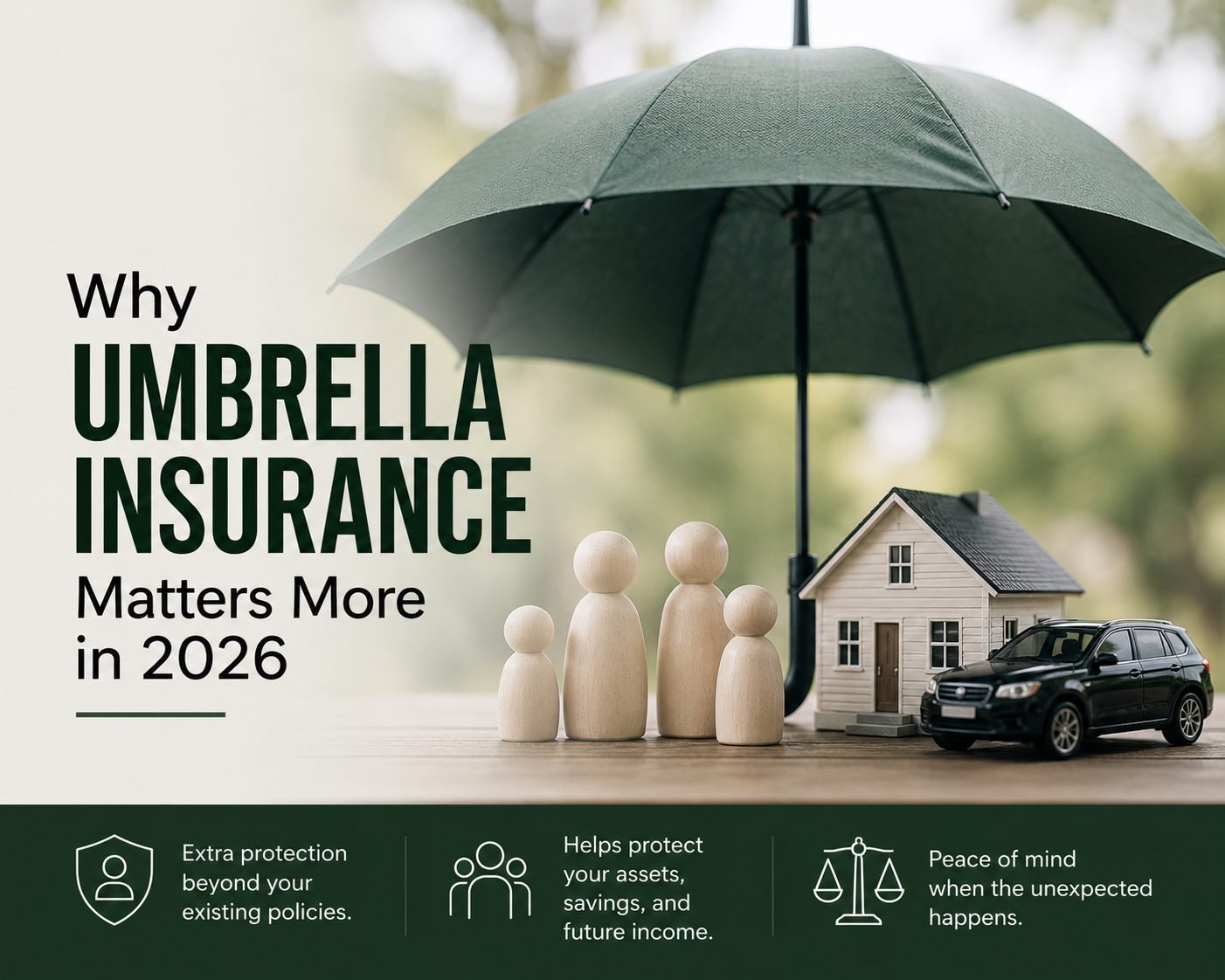
Most people insure what they can see: their home, their vehicle, their business, and their belongings. But what many overlook is protecting what they’ve worked hardest to build—their financial future.
In 2026, umbrella insurance matters more than ever because liability claims are becoming larger, legal costs are rising, and everyday situations can turn into expensive lawsuits faster than many people realize. While your standard home or auto policy provides liability protection, those limits may not always be enough when a serious accident or claim occurs.
That’s where umbrella insurance comes in.
What Is Umbrella Insurance?
Umbrella insurance is an extra layer of liability coverage that extends beyond the limits of your homeowners, auto, or other personal insurance policies. Think of it as a financial safety net designed to protect your savings, investments, future income, and assets if a major claim exceeds the limits of your existing coverage.
For example, if your auto insurance liability limit is exhausted after a serious accident, an umbrella policy can help cover the remaining expenses rather than leaving you personally responsible.
In a world where lawsuits and settlement amounts continue to grow, proactive risk mitigation has become increasingly important.
Why 2026 Looks Different
Several trends are making umbrella insurance more relevant than ever.
First, claim costs continue to rise. Medical expenses, legal fees, property damage costs, and jury awards have increased significantly over the last several years. What may have once been a manageable claim can now escalate into six- or even seven-figure territory.
Second, lifestyles have changed. Many families have teen drivers, swimming pools, recreational vehicles, short-term rentals, boats, or larger social gatherings at home—all of which increase liability exposure.
Even social media activity can create unexpected risk. Claims involving personal injury, defamation, or online disputes are becoming more common than many people expect.
Real-Life Situations Where Umbrella Coverage Can Help
Umbrella insurance isn’t just for wealthy households or business owners. In fact, many everyday scenarios can trigger significant liability exposure.
Imagine a teen driver in your household causes a major accident resulting in extensive medical bills. Or a guest slips near your backyard pool and files a lawsuit. A dog bite claim, a severe bicycle accident, or an incident involving a recreational vehicle could also create financial consequences that exceed traditional policy limits.
Without additional protection, your personal assets may be at risk.
Why a Local Independent Agent Matters
Liability protection isn’t one-size-fits-all. The right coverage depends on your lifestyle, assets, family situation, and overall exposure.
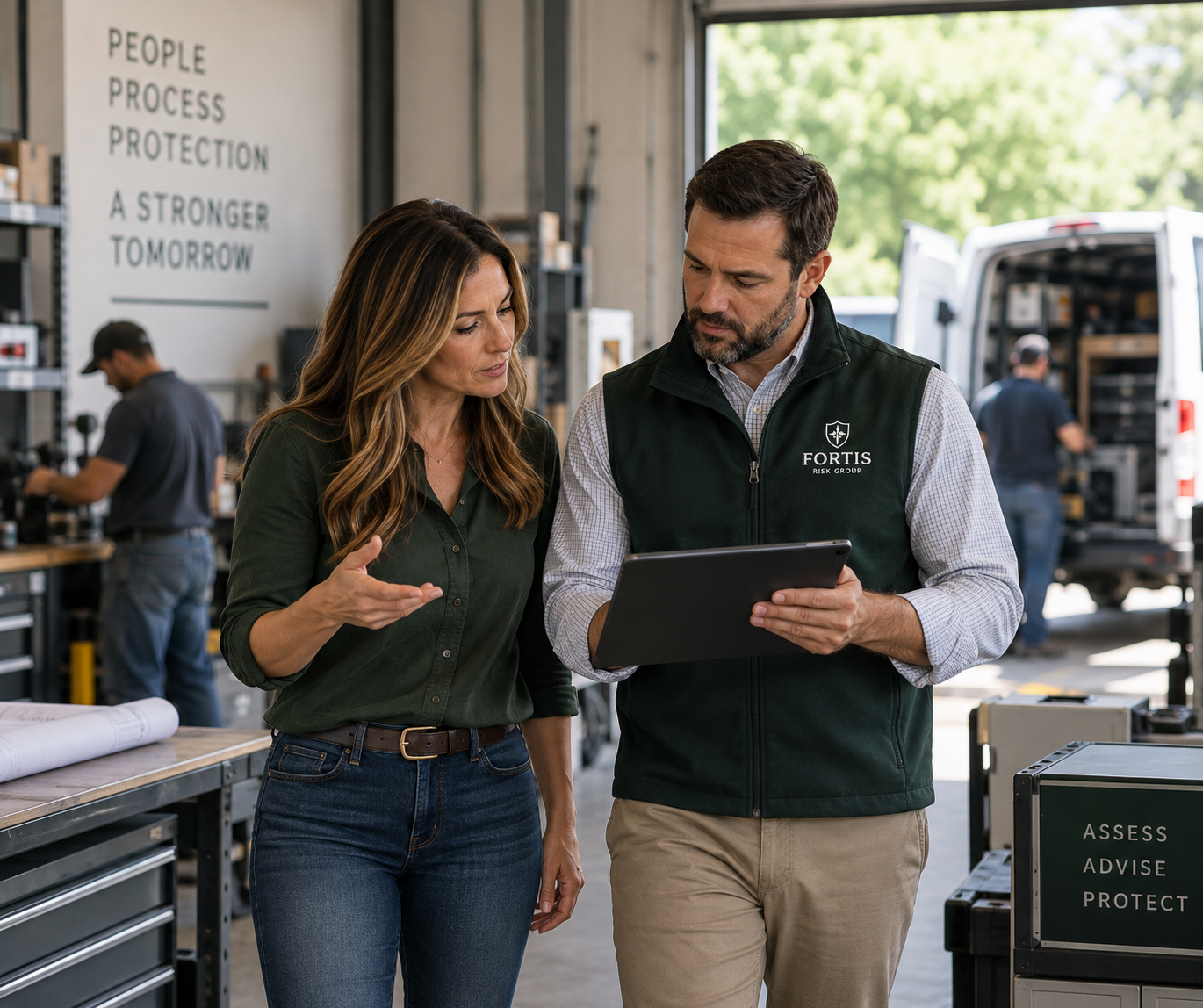
Working with a local independent agent or personal risk manager can help you evaluate whether your current liability limits actually reflect your real-world risks. Instead of simply meeting minimum requirements, proactive planning helps ensure you’re adequately protected before an unexpected event occurs.
This approach is called proactive risk mitigation—identifying vulnerabilities now rather than reacting after a claim.
The Bottom Line
Umbrella insurance may not be the most talked-about coverage, but in 2026, it could be one of the smartest protections you carry.
The question isn’t whether life is unpredictable—it’s whether your coverage is prepared for it.
Not sure if your liability protection is enough? Contact us today to request a policy review to see whether umbrella coverage makes sense for your situation and long-term financial protection.
Latest insights and trends




Let’s Build Your Protection Strategy