Rising Premiums Aren’t Random: What’s Driving Commercial Insurance Costs in 2026?
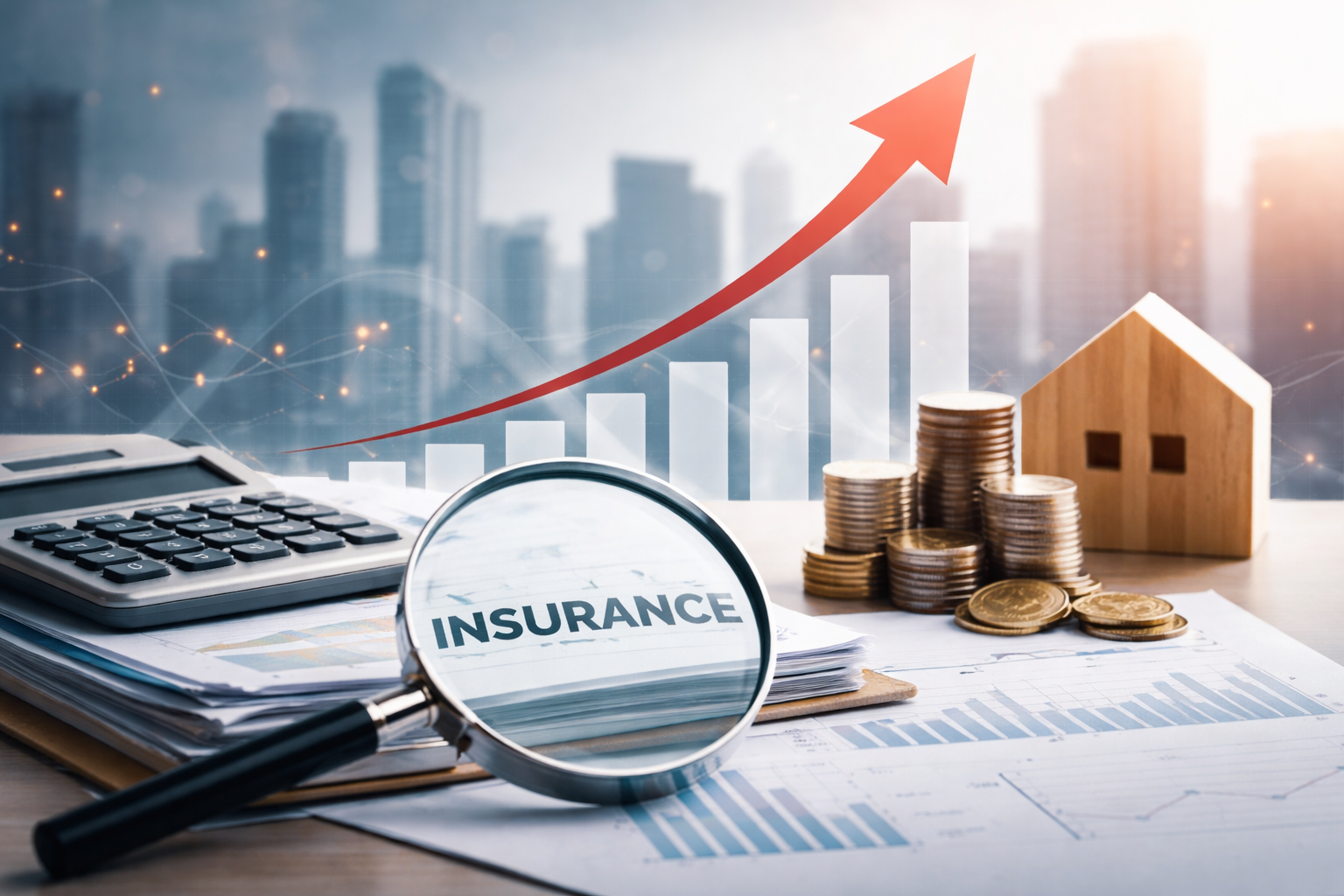
If your commercial insurance premiums have increased over the past few renewal cycles, you’re not alone — and it’s not arbitrary.
Premiums aren’t rising “just because.” They’re responding to measurable shifts in global risk, legal trends, and economic pressure. Understanding what’s behind these changes is the first step toward making informed decisions for your business.
Let’s break down what’s really driving 2026 commercial insurance pricing.
1. Reinsurance Costs Are Climbing
Insurance companies don’t absorb all risk themselves. They purchase reinsurance — essentially insurance for insurers — to protect against catastrophic losses.
Over the last several years, reinsurance pricing has increased significantly due to:
- Increased catastrophic weather events
- Large property losses
- Global instability
- Capital market volatility
When reinsurance becomes more expensive or less available, carriers adjust their own pricing models. That cost pressure ultimately flows downstream to policyholders.
2. Nuclear Verdicts & Social Inflation
One of the biggest drivers in liability pricing is something called “social inflation.”
Jury verdicts — especially in auto liability, general liability, and umbrella policies — have reached record highs. Multi-million and even billion-dollar awards are no longer rare. These “nuclear verdicts” are changing how carriers evaluate risk.
Litigation is more aggressive. Plaintiff attorneys are more strategic. Jury sentiment toward corporations has shifted. As a result, insurers are increasing rates and tightening underwriting guidelines to offset larger potential payouts.
Higher verdicts = higher loss severity = higher premiums.
3. Inflation & Replacement Cost Gaps
Construction costs remain elevated. Labor shortages persist. Supply chain delays continue to impact rebuild timelines.
If a building insured at $5 million three years ago now costs $7 million to replace, carriers must adjust property valuations accordingly. Many businesses are discovering they were underinsured — and valuation corrections are increasing premium totals.
Inflation doesn’t just impact materials. It impacts medical costs, vehicle repairs, business interruption expenses, and claim settlements across nearly every coverage line.
4. Capacity Is Tightening
In certain sectors — transportation, real estate, manufacturing, hospitality, and habitational risks — carriers are becoming more selective.
Some insurers are reducing limits offered.
Others are exiting high-risk classes entirely.
Deductibles are increasing.
When fewer carriers compete for a risk, pricing leverage shifts.
What This Means for Your Business
The 2026 market isn’t unpredictable — it’s recalibrating.
Premium increases are often a reflection of broader systemic changes, not a single loss history or internal issue within your organization. That said, businesses that prepare strategically tend to navigate this environment far more successfully.
Proactive renewal submissions.
Updated property valuations.
Strong loss control documentation.
Cybersecurity protocols.
Clear risk management narratives.
These factors matter more than ever.
The key takeaway? Rising premiums aren’t random — and they’re not permanent across every sector. They are part of a larger risk cycle.
Businesses that treat insurance as a strategic planning conversation — not just a line item — are better positioned to control long-term cost volatility.
In a market like this, preparation isn’t optional. It’s leverage.
If you haven’t reviewed your coverage structure recently, now is the time to ask deeper questions and evaluate whether your policy reflects today’s risk reality — not yesterday’s assumptions.
Because in 2026, informed businesses don’t just renew.
They plan.
Latest insights and trends





Let’s Build Your Protection Strategy