Could a Lawsuit Cost More Than Your Business Is Worth?
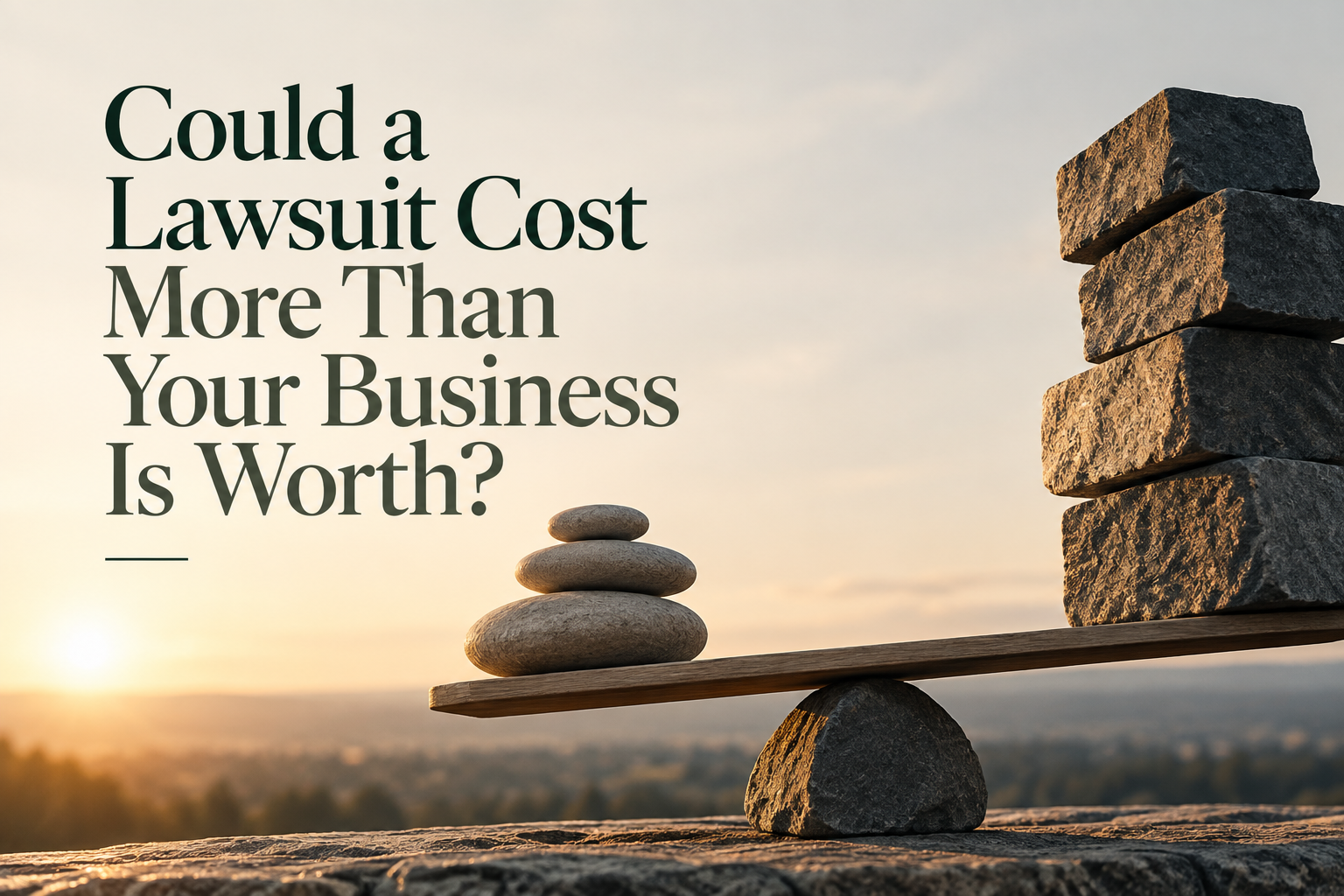
Could a Lawsuit Cost More Than Your Business Is Worth?
Most business owners know they need liability insurance.
But there's a much harder question to answer:
If your business faced a serious lawsuit tomorrow, would your current liability limits actually be enough?
A $1 million liability limit can sound substantial when you're reviewing an insurance policy. But a severe accident can involve medical expenses, property damage, lost income, legal costs, and other damages that add up quickly.
The goal isn't to assume the worst will happen. It's to understand what the worst could cost and make informed decisions before a claim occurs.
That's an important part of proactive risk mitigation.
Why Liability Risk Is About More Than Your Industry
Your industry certainly matters when evaluating liability exposure, but it isn't the only factor.
Two companies in the same industry can have dramatically different risk profiles.
Consider a contractor with three employees and one truck compared with a contractor that has 30 employees, a fleet of vehicles, multiple crews, and several multimillion-dollar projects underway.
They may technically operate in the same industry, but their potential liability exposures aren't necessarily comparable.
A meaningful risk assessment should look at the entire operation.
What Could Turn an Accident Into a Major Claim?
Serious liability claims can come from situations business owners encounter every day.
Commercial Vehicle Accidents
A company vehicle involved in a serious collision can create significant exposure, particularly when multiple vehicles or severe injuries are involved.
The more drivers and vehicles your business puts on the road, the more important fleet safety and liability-limit reviews become.
Customer or Visitor Injuries
A serious injury on your premises can potentially lead to more than an ordinary medical bill.
Depending on the circumstances, a claim could involve hospitalization, rehabilitation, lost income, or allegations of long-term impairment.
Property Damage
Some businesses perform work at customer locations or around expensive property.
One mistake could potentially damage a building, equipment, inventory, or other valuable assets.
Completed Work
Your risk doesn't necessarily disappear when a project ends.
Depending on the nature of your operations, an allegation involving work your company completed months earlier could potentially lead to a claim.
These scenarios illustrate why asking only, “Do I have general liability insurance?” doesn't tell you whether your overall liability strategy is appropriate.
How Much Liability Insurance Does a Business Need?
There isn't one correct liability limit for every small business.
Instead, consider questions such as:
- How many employees do you have?
- How many vehicles and drivers are part of your operation?
- How frequently are employees on the road?
- Do employees work at customer locations?
- What is the maximum value of the property you're working around?
- How large are your contracts?
- What insurance limits do your contracts require?
- How much interaction do you have with the public?
- How much has your business grown?
- What assets and future income are you trying to protect?
The answers help create a much clearer picture of your potential exposure.
Where Does Commercial Umbrella Insurance Fit?
A commercial umbrella or excess liability policy may provide additional limits above certain underlying liability policies, subject to its terms and conditions.
For example, if a qualifying covered liability claim exceeds an underlying policy's available limit, applicable umbrella or excess coverage may provide another layer of protection.
But an umbrella shouldn't be treated as a generic solution.
The underlying policies, limits, exclusions, operations, and umbrella or excess policy itself all need to be evaluated together.
The goal isn't simply to choose the biggest number available.
It's to understand what you're protecting and what could realistically threaten it.
Insurance Limits Are Only Part of the Strategy
Increasing insurance limits doesn't prevent accidents.
That's why liability insurance should work alongside proactive risk mitigation.
Depending on your business, that could mean improving:
- Driver screening and fleet safety
- Employee training
- Jobsite procedures
- Equipment maintenance
- Customer contracts
- Subcontractor requirements
- Incident documentation
- Workplace safety practices
Preventing or reducing a loss is always preferable to relying solely on insurance after something has gone wrong.
Your Business May Have More to Protect Than You Realize
When business owners think about what their company is worth, they may focus on buildings, equipment, vehicles, or cash.
But you've built much more than physical assets.
You've created customer relationships, revenue, jobs, contracts, reputation, and future earning potential.
A severe liability event can threaten all of those things.
As your company becomes more successful, the conversation about liability should evolve from “Do we have coverage?” to “Are we protecting what we've built?”
When Did You Last Stress-Test Your Liability Protection?
Don't wait until you're facing a serious claim to discover that the limits selected years ago no longer reflect your business today.
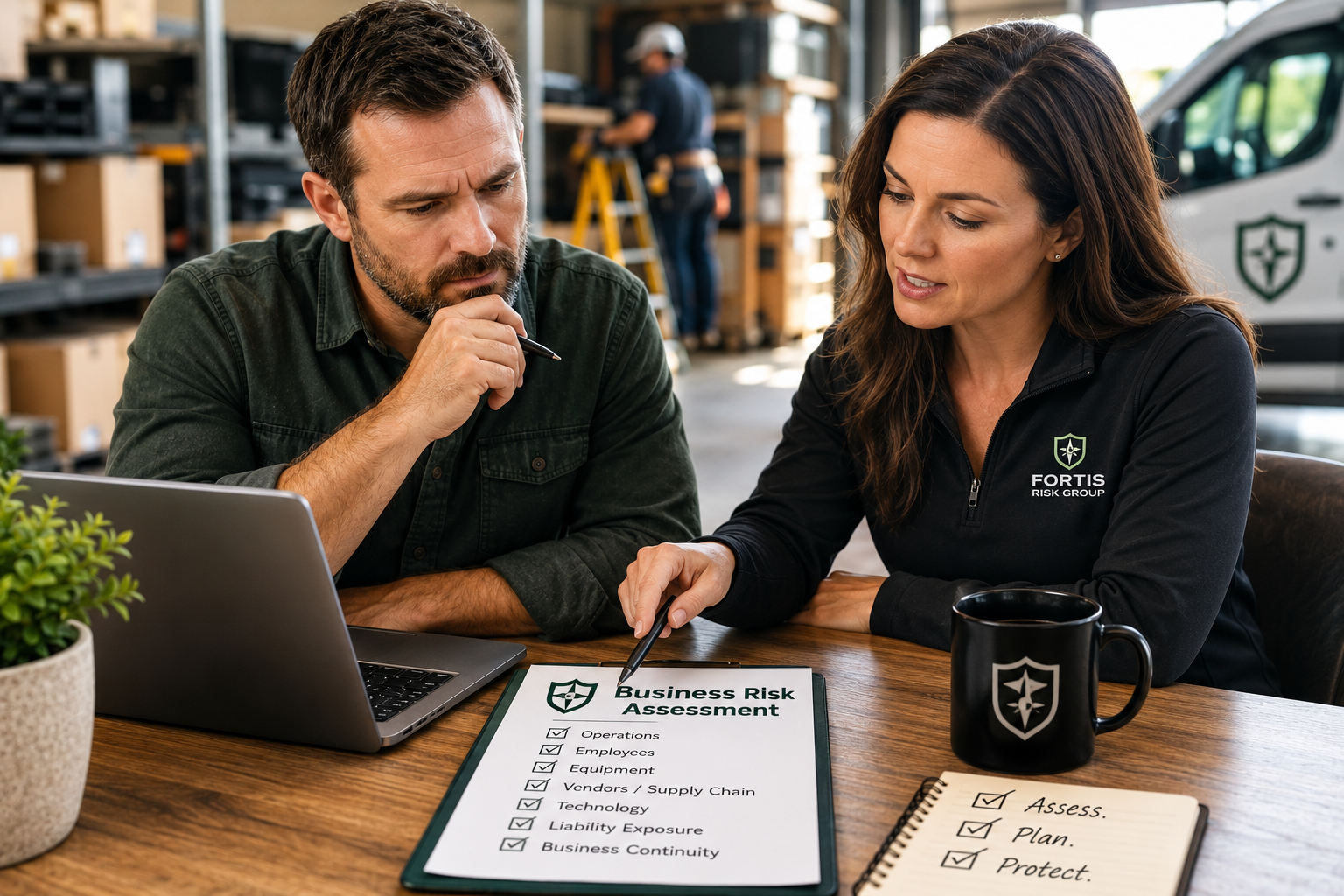
Contact a Fortis Risk Advisor for a comprehensive policy and risk review. We'll evaluate your operations, vehicles, contracts, employees, assets, and potential liability exposures to help determine whether your current protection aligns with the business you've worked hard to build—and where you're headed next.
Latest insights and trends



Let’s Build Your Protection Strategy