Does General Liability Cover Customer Property Damage?

Is My Business Covered If a Customer's Property Is Damaged While in My Care?
Imagine a customer drops off an expensive piece of equipment for repairs. While it's at your business, an employee accidentally damages it.
Or perhaps a contractor is working inside a client's home and unintentionally damages an item being handled during the project.
The customer expects your business to take responsibility. You have general liability insurance, so you assume the damage will be covered.
But will it?
One of the most commonly misunderstood areas of commercial insurance involves property that belongs to someone else but is temporarily in your business's possession.
Depending on the circumstances, your general liability policy may not provide the protection you expect.
Understanding how insurance treats customer property can help business owners identify potential coverage gaps before an accident occurs.
Doesn't General Liability Insurance Cover Property Damage?
Commercial general liability insurance is designed to protect businesses against certain third-party bodily injury and property damage claims, subject to policy terms, conditions, and exclusions.
For example, if an employee accidentally knocks over a customer's display while visiting their office, the resulting damage may fall within the scope of general liability coverage, depending on the circumstances.
However, not all property damage is treated the same way.
Insurance policies often distinguish between property your business accidentally damages during its operations and property that has been entrusted to your business for storage, repair, servicing, or other purposes.
That distinction can become especially important for repair shops, contractors, equipment service providers, and other businesses that regularly handle customer property.
Just because an item belongs to someone else doesn't automatically mean your general liability policy will cover damage to it.
What Does Care, Custody, or Control Mean?
In commercial insurance, the phrase care, custody, or control is commonly used to describe property that is in a business's possession or under its supervision.
Many commercial general liability policies contain exclusions affecting certain types of property in the insured business's care, custody, or control.
The purpose and application of these exclusions depend on the specific policy language and circumstances.
Consider an electronics repair business.
A customer leaves a laptop with the company for repairs. During the process, an employee accidentally drops it, causing extensive damage.
Because the laptop was entrusted to the business for servicing, the damage may fall within an exclusion in its general liability policy.
Now consider a different situation.
The same employee visits a customer's office and accidentally damages an unrelated piece of office furniture while moving equipment.
The insurance analysis may be different because the damaged furniture wasn't necessarily property the business had been hired to repair or service.
These examples illustrate why the circumstances surrounding property damage matter.
Why Repair Shops and Service Businesses Should Pay Attention
Businesses that repair, maintain, or service customer property can face significant financial exposure.
An automotive repair shop may have several customer vehicles on its premises at any given time.
An equipment repair company may be responsible for expensive machinery.
A furniture restoration business may handle valuable or irreplaceable items.
If customer property is damaged, stolen, or destroyed while in the business's possession, the financial consequences can be substantial.
Depending on the business and the property involved, specialized insurance may be available to address some of these exposures.
For example, garagekeepers coverage may be appropriate for certain businesses that have customers' vehicles in their care.
Bailee coverage or other specialized property insurance may be relevant when a business temporarily possesses customers' property.
However, these policies are not interchangeable, and coverage depends on their specific terms, limits, deductibles, and exclusions.
Businesses should work with a Risk Advisor to determine which options fit their operations.
Contractors Can Face Similar Coverage Gaps
Contractors often work directly with property belonging to their customers.
A plumbing contractor may be hired to repair a system inside a commercial building.
A flooring contractor may be installing materials in a customer's home.
A landscaping company may be moving or working around expensive outdoor equipment.
If damage occurs, determining whether general liability insurance applies can depend on exactly what was damaged and how the loss happened.
For example, damage to the specific part of a building being worked on may be treated differently from accidental damage to unrelated property.
Commercial general liability policies may contain exclusions for particular property being worked on, as well as other provisions affecting damage arising from completed work.
The specific policy wording is important.
Contractors should understand the difference between damage to the work they're performing and damage to other property that may result from their operations.
These distinctions can have a significant impact on how a claim is evaluated.
What If Customer Property Is Stolen or Damaged by a Fire?
Accidental damage isn't the only concern when businesses are responsible for customer property.
Consider a repair shop that experiences a break-in overnight.
Several customer-owned items are stolen from the premises.
Or imagine a fire damages a warehouse where a business temporarily stores products belonging to its clients.
Business owners may assume their commercial property insurance will cover everything inside the building.
However, standard commercial property policies do not necessarily provide full protection for every item owned by a customer.
Coverage for property of others may be available under certain policy provisions or endorsements, but limits, valuation methods, and other conditions can vary.
It's also important to distinguish between insurance covering property itself and insurance responding to legal liability for damaging that property.
These are different coverage approaches, and the appropriate solution depends on the business's responsibilities.
A comprehensive insurance review can help determine whether customer property is adequately addressed.
How Much Customer Property Could Your Business Be Responsible For?
One of the most useful questions a business owner can ask is how much customer property might be in their possession at one time.
A repair shop may typically hold $50,000 worth of customer equipment.
During a busy season, that amount could increase substantially.
An automotive service business might have multiple high-value vehicles on its property overnight.
A contractor may temporarily store customer-supplied materials or equipment while completing a project.
If a significant loss occurs, the total value of customer property could exceed the business's available insurance limits.
This is why evaluating property values is an important part of risk management.
Business owners should consider the maximum value of customer property they may hold, not simply the average amount.
They should also review how those values change during busy periods or when accepting unusually large projects.
Your Contracts May Create Additional Responsibilities
Insurance coverage is only one part of the equation.
Written agreements may establish responsibilities for customer property while it's in your business's possession.
For example, a service agreement may address storage conditions, responsibility for loss or damage, limitations of liability, or procedures for reporting incidents.
These provisions can influence the obligations your business accepts.
However, a contract doesn't automatically change what an insurance policy covers.
A business may agree to assume financial responsibility for certain losses that are not fully covered under its existing insurance program.
That's why contracts and insurance should be reviewed together.
Business owners should consider consulting qualified legal counsel when establishing or reviewing significant contractual obligations.
Five Questions to Ask About Customer Property
Before accepting responsibility for valuable customer property, consider these questions.
1. What types of customer property do we regularly handle?
Identify vehicles, equipment, materials, inventory, electronics, or other items that may be in your possession.
2. How much could that property be worth?
Estimate the maximum value of customer property your business might hold at one time.
3. Does our general liability policy contain relevant exclusions?
Review how the policy addresses property in your care, custody, or control, as well as property being worked on.
4. Do we need specialized insurance?
Discuss whether garagekeepers, bailee, property-of-others, or other coverage options may be appropriate.
5. Are our contracts consistent with our insurance protection?
Review the responsibilities your business accepts and whether your insurance program addresses those exposures.
These questions can help identify potential gaps before an unexpected loss creates a financial problem.
Protecting Customer Property Is Part of Protecting Your Reputation
When customers trust your business with their belongings, they expect those items to be handled responsibly.
An unexpected accident can create more than a financial loss.
It can interrupt operations, strain customer relationships, and affect your business's reputation.
Preventive measures such as secure storage, employee training, careful handling procedures, and accurate property records can help reduce exposure.
But even well-managed businesses can experience accidents.
Appropriate insurance protection can play an important role in helping businesses manage certain losses when they occur.
The goal isn't simply to respond after customer property is damaged. It's to understand the risk before accepting responsibility for it.
Is Your Business Properly Protected When Handling Customer Property?
If your business repairs, stores, transports, or works with property belonging to customers, it's worth reviewing how your insurance responds to potential damage or loss.
At Fortis Risk Group, we believe proactive risk management begins with understanding the responsibilities your business takes on every day.
Contact a Fortis Risk Advisor for a comprehensive policy and risk review.
Our team can help you evaluate your general liability coverage, discuss potential care, custody, or control exclusions, and explore insurance options that may better reflect your operations.
Because protecting your business also means understanding the risks that come with the trust your customers place in you.
Listen. Lead. Protect.
Latest insights and trends

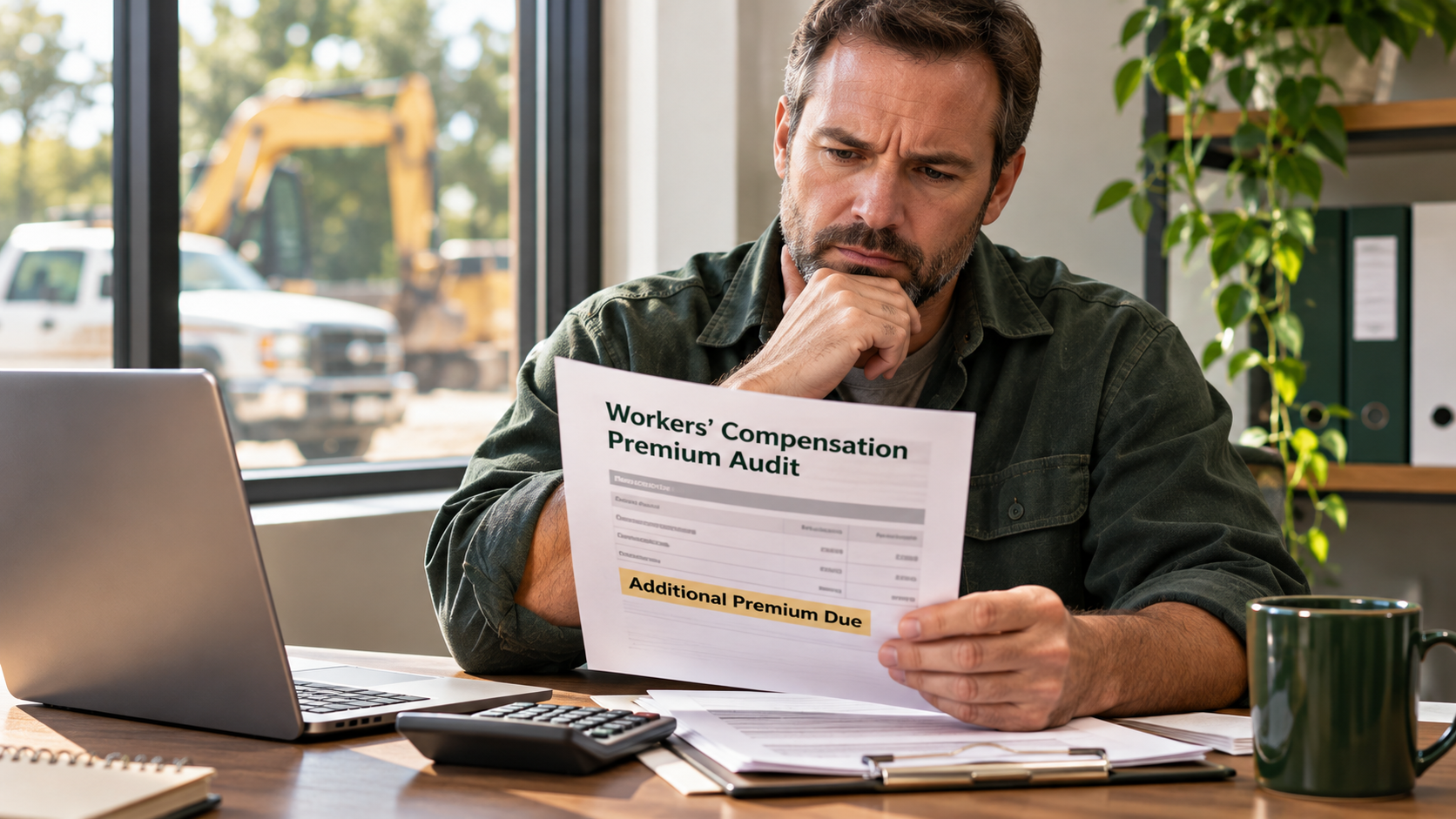
Why Did My Workers' Comp Audit Result in a Bill?

Business Insurance Rates: Should You Shop Before Renewal?
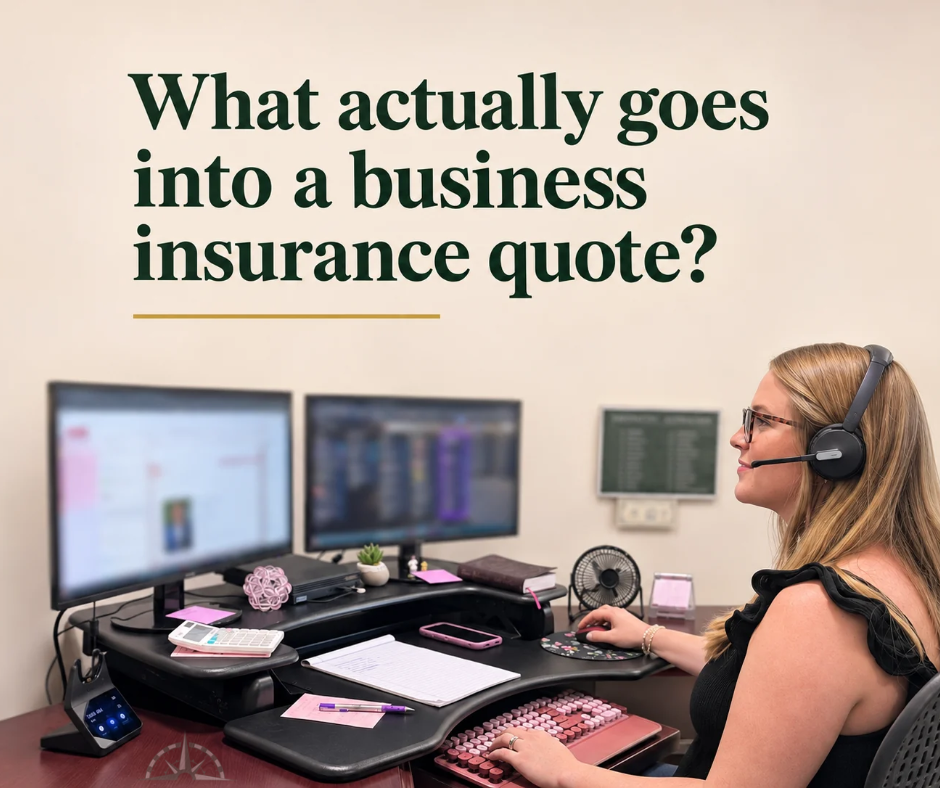
What Goes Into a Business Insurance Quote?
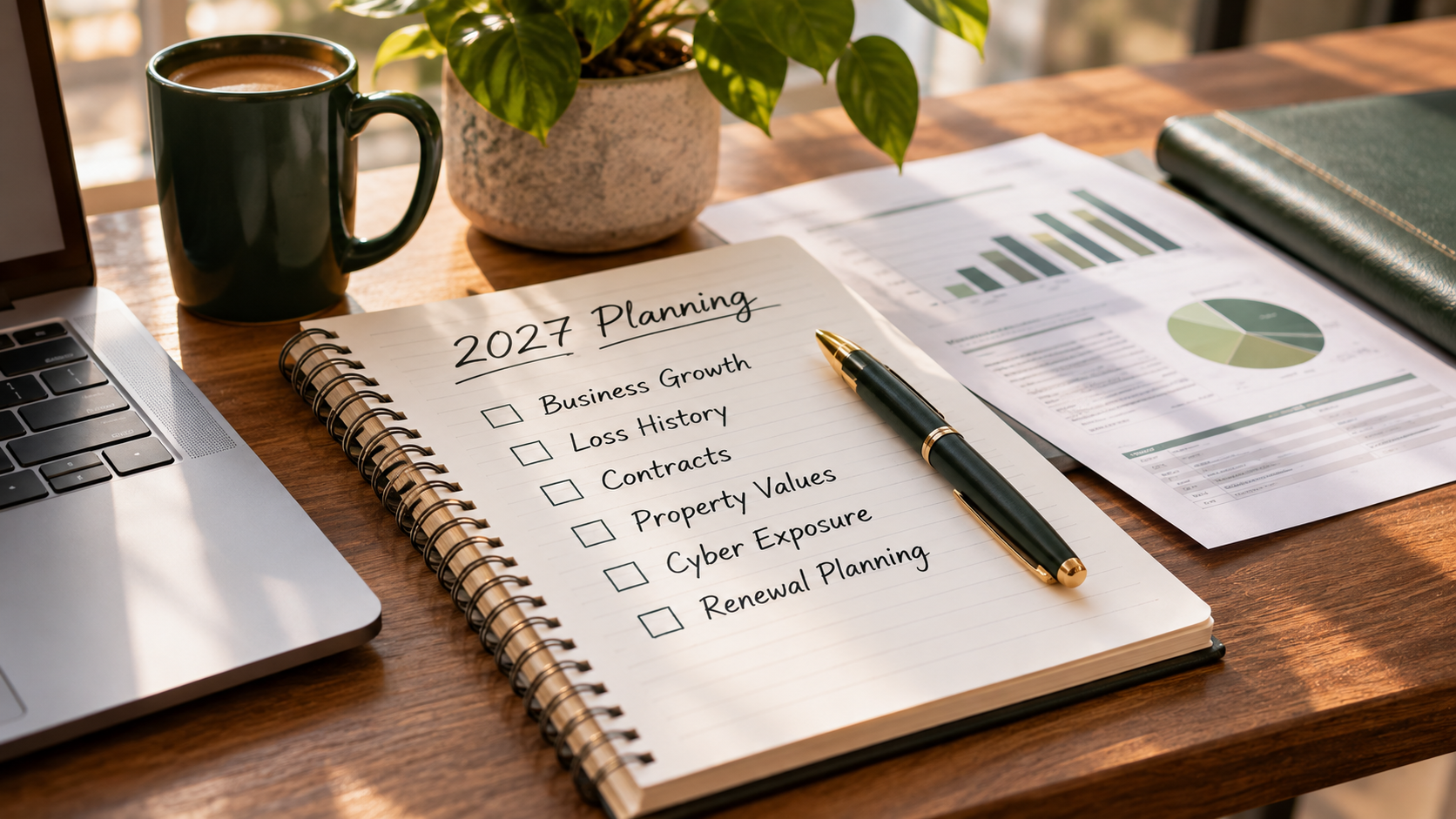
2027 Business Budget Planning: Review Your Risks
Let’s Build Your Protection Strategy