Does Your Business Have Enough Liability Insurance?
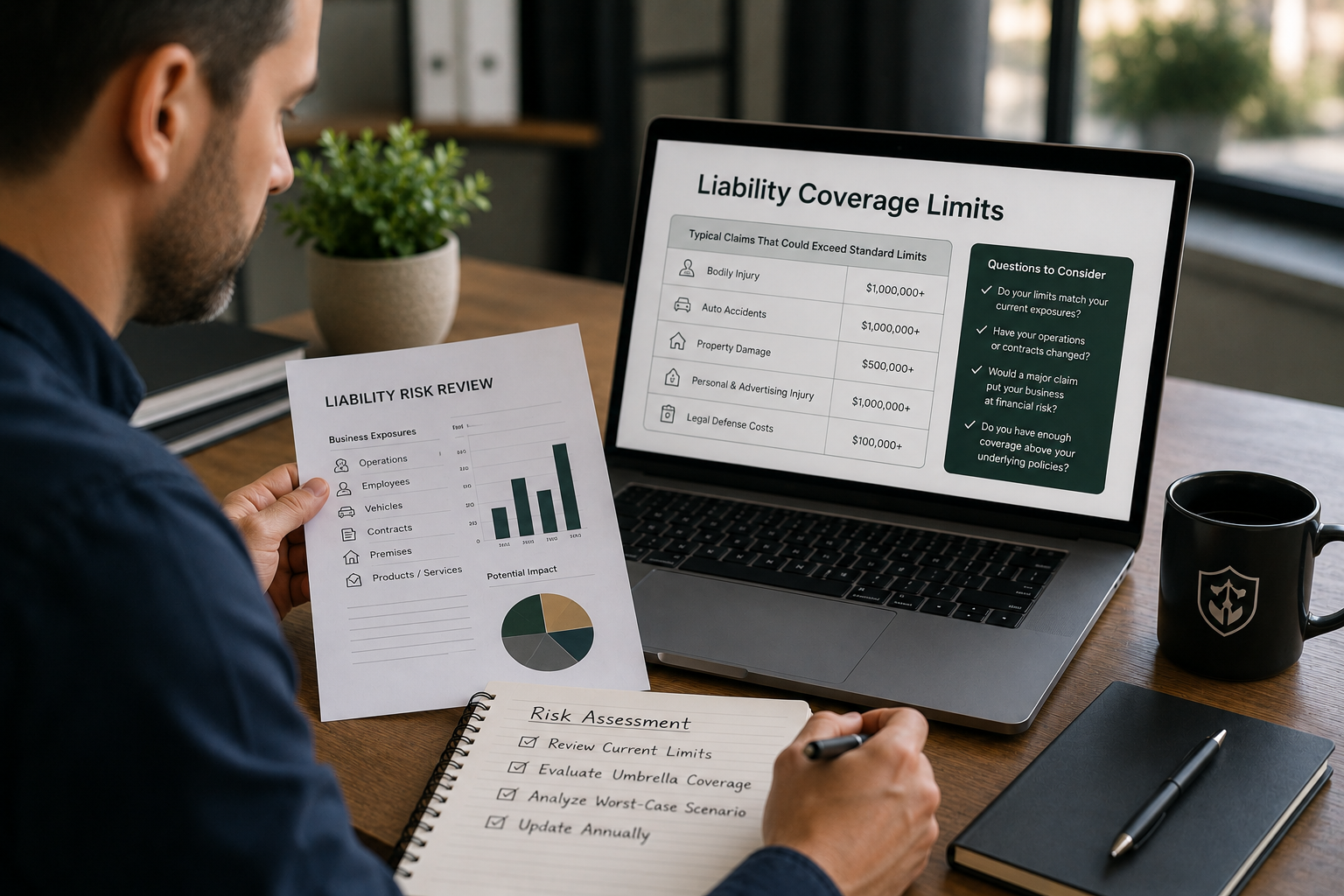
One Major Lawsuit Could Exceed Your Liability Limits. Is Your Business Prepared?
Your business has general liability insurance. Your commercial vehicles are insured. Your policies show limits that may seem substantial.
So you're protected from a major lawsuit—right?
Maybe.
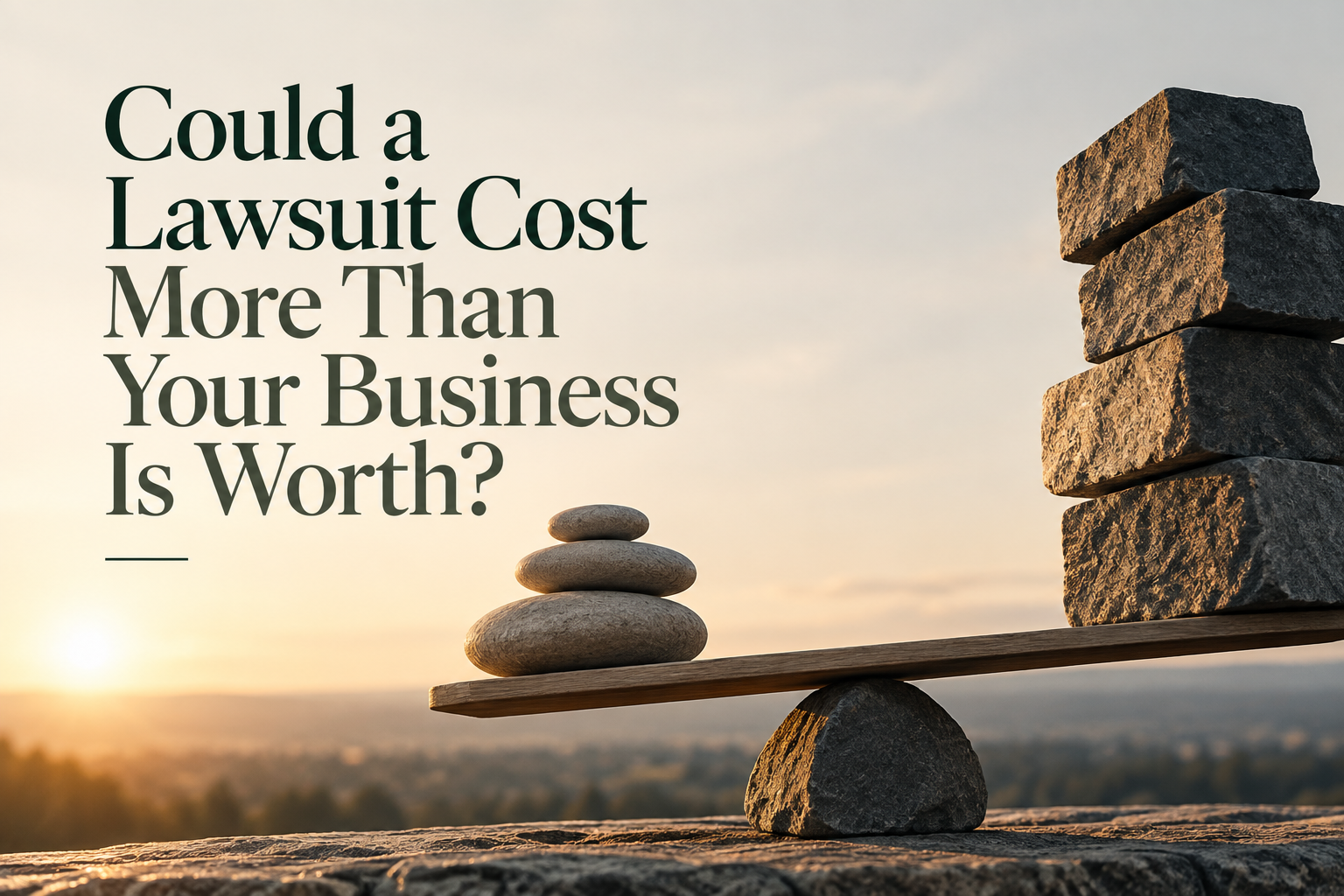
The more important question isn't simply whether you have liability insurance. It's whether the limits you've selected realistically reflect the financial risks your business faces today.
A serious vehicle accident, customer injury, property damage claim, or lawsuit can potentially become much larger than expected. If a covered claim exceeds the available limits of an underlying policy, your business could be responsible for costs beyond what insurance pays.
That's why reviewing liability limits should be part of every business's proactive risk-management strategy.
What Do Liability Limits Actually Mean?
Liability insurance policies establish maximum amounts the insurer will pay for covered claims, subject to the policy's terms, exclusions, deductibles or retentions, and other provisions.
For example, your business might carry liability protection under:
- Commercial general liability
- Commercial auto
- Employers liability
- Certain professional liability policies
- Other specialized coverages
Those policies are designed to respond to specific exposures—but they aren't unlimited.
A limit that was appropriate when your business was smaller may not provide the same level of protection after several years of growth.
What Could Cause a Claim to Exceed Your Limits?
Not every claim becomes a major lawsuit. But businesses should plan for severe losses, not only everyday accidents.
Consider a company vehicle involved in a serious multi-vehicle collision.
The resulting claim could potentially include medical expenses, lost income, property damage, legal expenses, and allegations of long-term or permanent injury.
Or imagine an accident at your business seriously injures several people at once.
The financial consequences can escalate quickly.
The goal of risk assessment isn't to predict exactly what will happen. It's to ask:
If a worst-case scenario happened, how much financial exposure could our business reasonably face?
Five Signs Your Liability Limits Deserve Another Look
1. Your Revenue Has Increased
Growth often means more customers, projects, employees, and activity—all of which can increase exposure.
2. You've Added Vehicles or Drivers
More time on the road creates more opportunities for a severe auto liability claim.
3. You're Signing Larger Contracts
Major customers, landlords, and general contractors may require higher insurance limits than your current policies provide.
4. Your Business Has More Assets
As the value of your business grows, there may simply be more worth protecting from a significant judgment.
5. You Haven't Reviewed Your Limits in Years
Economic conditions change. Medical costs, vehicle values, legal expenses, and the potential severity of claims change too.
Your liability strategy should be reviewed accordingly.
Where Does Commercial Umbrella or Excess Liability Fit?
Commercial umbrella or excess liability coverage may provide additional limits above certain underlying liability policies, depending on how the coverage is structured.
Think of it as another layer of financial protection.
However, purchasing an umbrella shouldn't be reduced to simply choosing a large number and assuming every liability exposure is covered.
A Risk Advisor should first evaluate your underlying policies, operations, contracts, vehicles, workforce, property, and potential claim scenarios.
The appropriate strategy depends on the business.
Don't Let Premium Determine Your Risk Strategy
It's natural to consider cost when purchasing insurance.
But when evaluating liability limits, the better starting question is:
What could realistically put this business at financial risk?
From there, you can determine how insurance, safety procedures, contracts, employee training, fleet controls, and other proactive risk mitigation strategies can work together.
Insurance should support your risk strategy—not replace it.
Is Your Business Prepared for a Large Liability Claim?
The fact that your business has liability insurance doesn't automatically mean it has enough.
As your company grows, your exposures can grow with it.
Contact one of the Risk Advisors at Fortis Risk Group for a comprehensive policy and risk review. We'll help you evaluate your current liability limits, identify potential gaps, and determine whether your insurance strategy provides an appropriate level of protection for the business you've built today—not the business you were several years ago.
Latest insights and trends



Let’s Build Your Protection Strategy