Your Employee Uses Their Own Car for Work. Is Your Business Actually Protected?
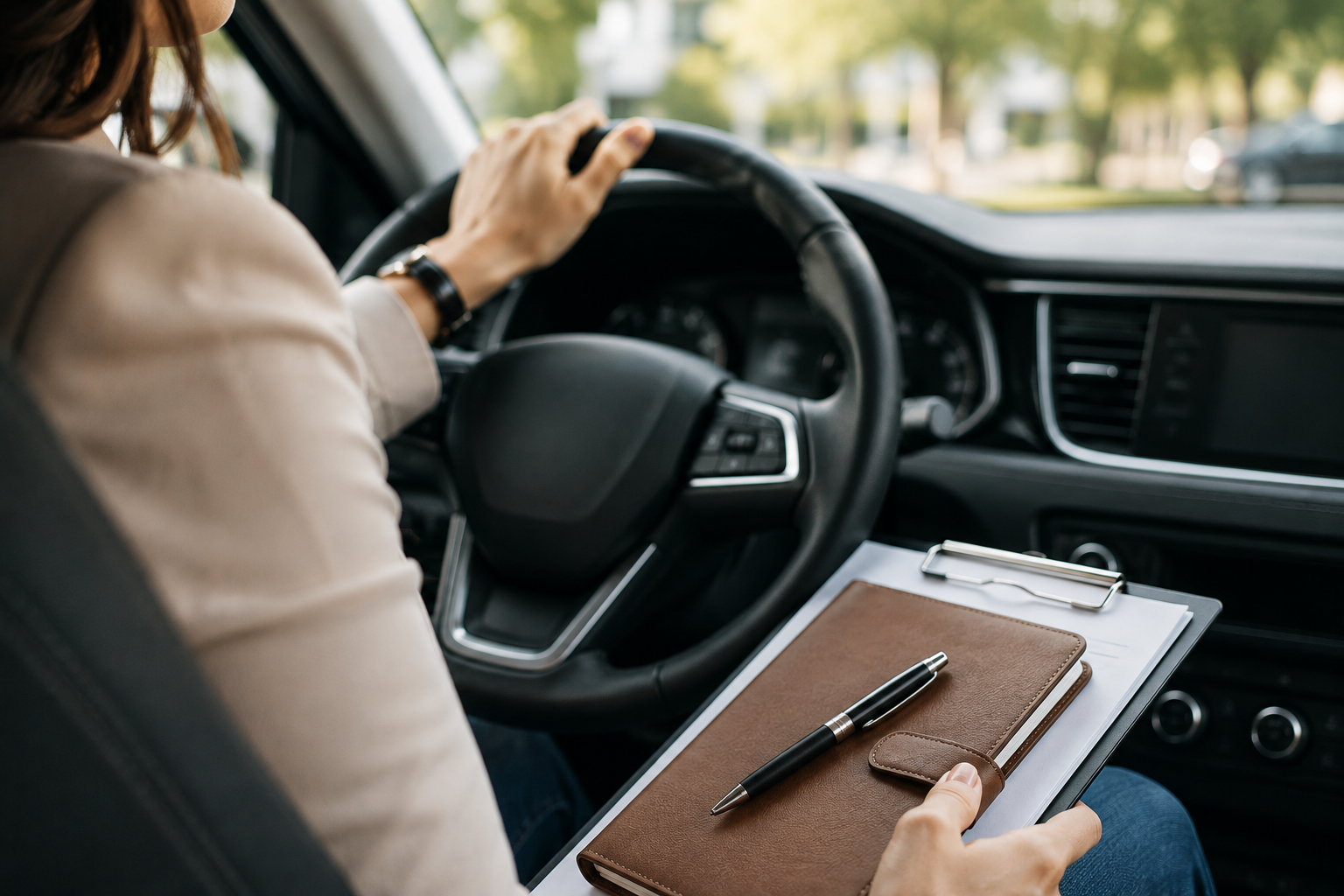
An employee offers to make a quick trip to the bank. Someone picks up supplies on the way to the office. A team member drives their personal vehicle across town to meet with a client.
These situations probably don't feel like "business driving," but from a risk perspective, they can create an important exposure for your company.
Here's the question every business owner should consider: If your employee causes an accident while driving their personal vehicle for a work-related task, could your business be held responsible?
In some situations, the answer may be yes.
Personal Auto Insurance May Not Be the Whole Solution
When employees drive their own vehicles, it's easy to assume their personal auto insurance handles anything that happens on the road.
But when an employee is driving on behalf of your company, an accident could potentially involve the business as well.
Imagine an employee causes a serious accident while delivering paperwork to a customer. Injuries are involved, vehicles are damaged, and a claim follows. The employee may have personal auto insurance, but depending on the circumstances and severity of the accident, your company could also be named in a lawsuit.
That's where a seemingly routine errand can become a significant business liability issue.
What Is Hired and Non-Owned Auto Coverage?
Hired and Non-Owned Auto (HNOA) coverage is designed to address certain liability exposures involving vehicles your business uses but doesn't own.
Non-owned auto generally refers to vehicles owned by employees and used for business purposes.
Hired auto generally refers to vehicles a business rents, leases, or borrows for business use.
For example, your business could have an exposure if employees regularly use personal vehicles to:
- Visit customers or jobsites
- Make bank or post office runs
- Pick up supplies
- Attend meetings
- Make deliveries
- Travel between business locations
Even businesses without a company-owned fleet should evaluate their auto-related risks.
Don't Stop at Buying Insurance
The right coverage is important, but insurance should be only one part of your risk-management strategy.
Proactive risk mitigation may include establishing clear driving policies, reviewing employees' motor vehicle records when appropriate, requiring employees who drive for work to maintain personal auto insurance, limiting distracted driving, and clearly defining who is authorized to drive on company business.
Business owners should also understand how frequently employees are driving and what they're doing while behind the wheel.
An employee making one occasional trip may create a different exposure than someone visiting customers every day.
A Small Errand Can Create a Big Exposure
Some of the most important business risks aren't found inside your building.
They're driving down the road.
If employees use their personal vehicles for company business—even occasionally—don't assume their personal insurance automatically means your company is fully protected.
A strong insurance program starts by understanding the exposure first and then determining which combination of coverage and risk controls makes sense.
Does Your Business Have a Hidden Auto Exposure?
You don't need to own a fleet to have commercial auto risk.
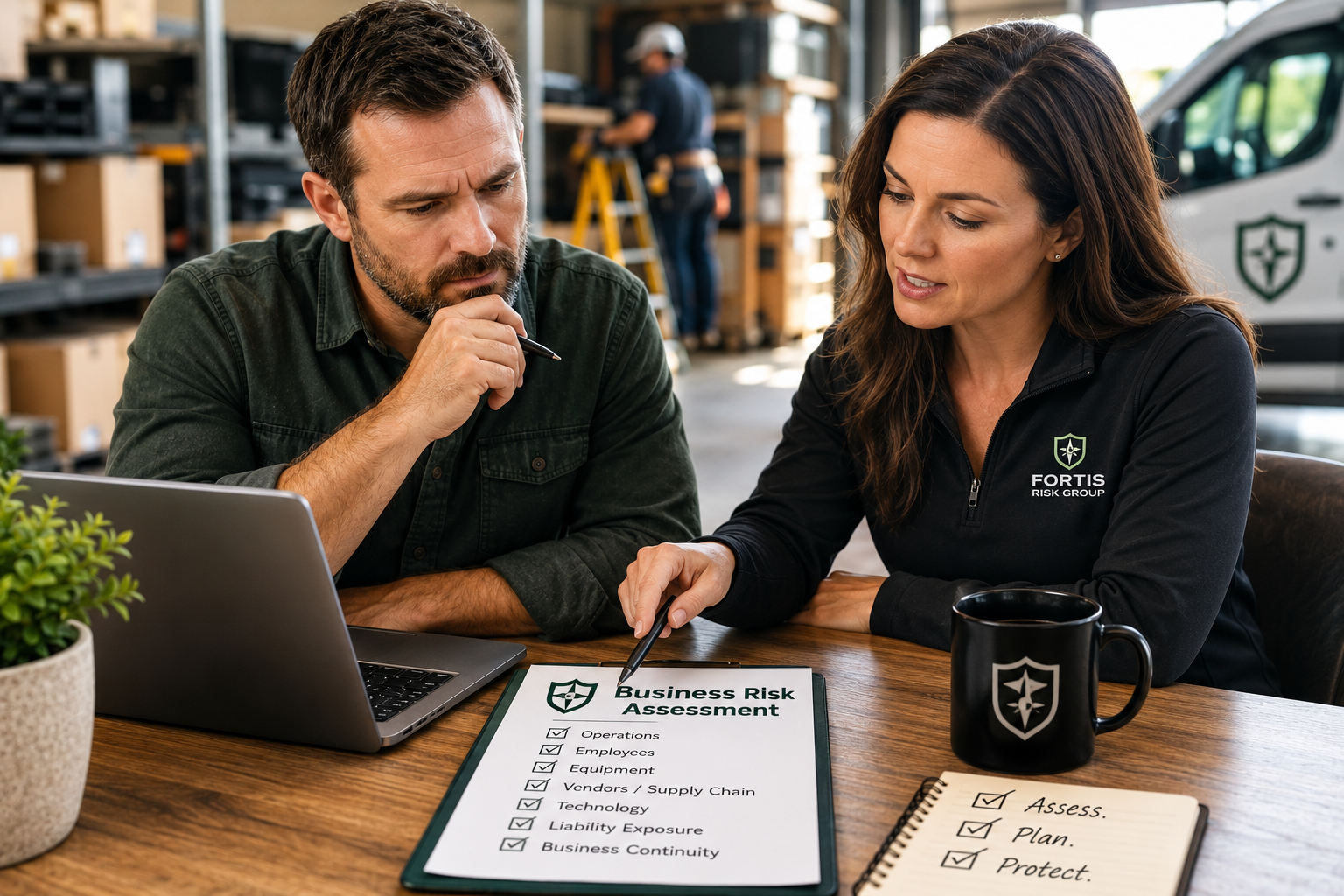
Contact one of the Risk Advisors at Fortis Risk Group for a policy and risk review. We'll help you evaluate how employees use vehicles in your business, identify potential liability gaps, and determine whether your current insurance strategy is properly protecting your company.
Latest insights and trends


Let’s Build Your Protection Strategy